
Cockroaches · Broward County, FL
Roaches in Your Broward Condo: Why They Come Back and Who Pays
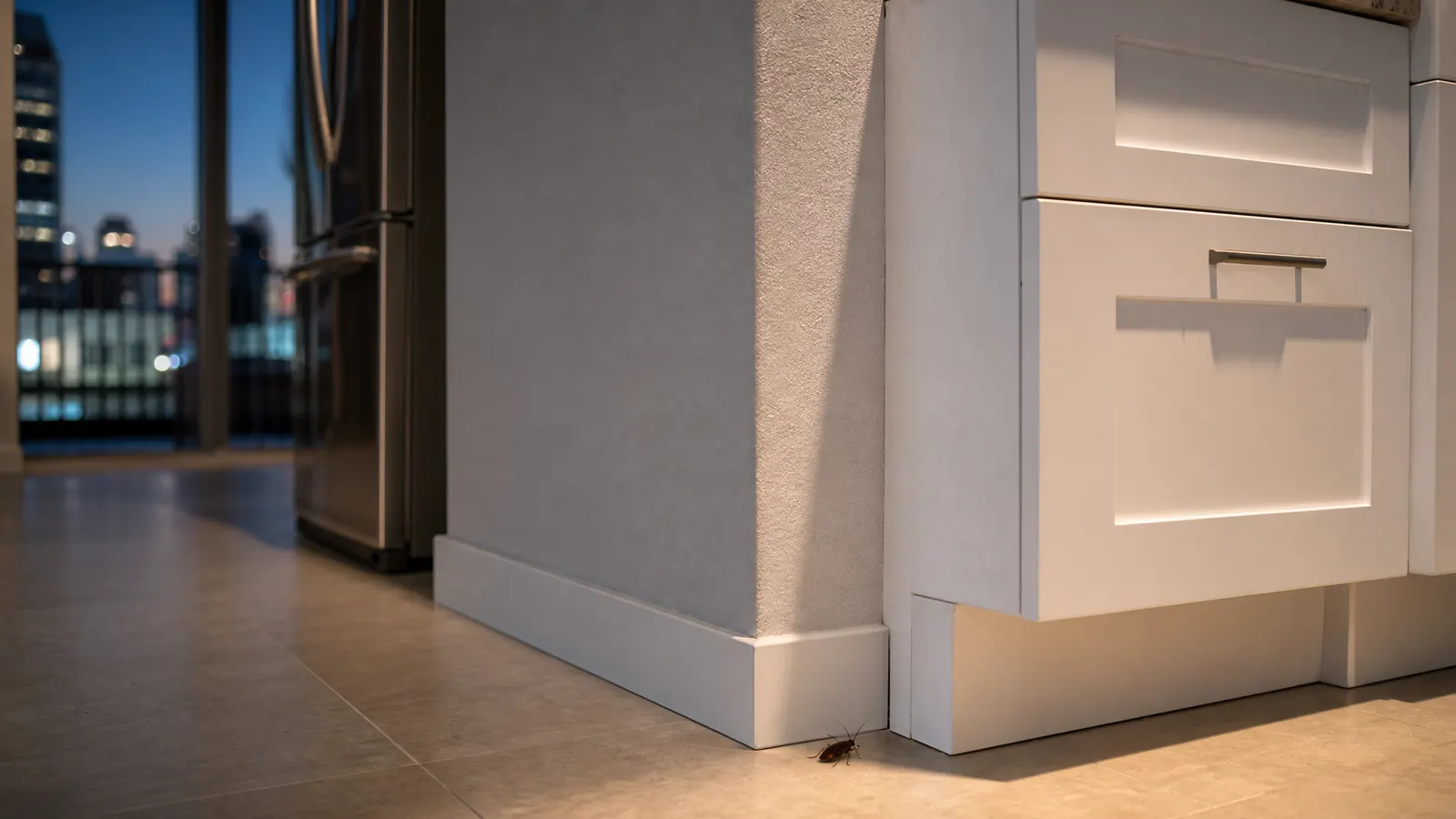
The short answer
Roaches in a Broward condo can return because the source may be in a shared wall, plumbing chase, neighboring unit or common area rather than inside your kitchen alone. Document sightings, notify the property manager and check your lease or association documents before assuming who pays. Responsibility depends on the contract, the source and the building’s rules.
Roaches in a Broward condo create two problems at once. You need to understand what is happening inside your unit, and you need to work out whether the source could be in a shared wall, common area or neighboring unit. Spraying one cabinet may reduce what you see without changing the building route that keeps bringing activity back.
The practical order is simple: document the pattern, notify the property manager, check the governing documents and then inspect the physical source. Do not assume who pays before those pieces are in view.
Why condo roaches come back
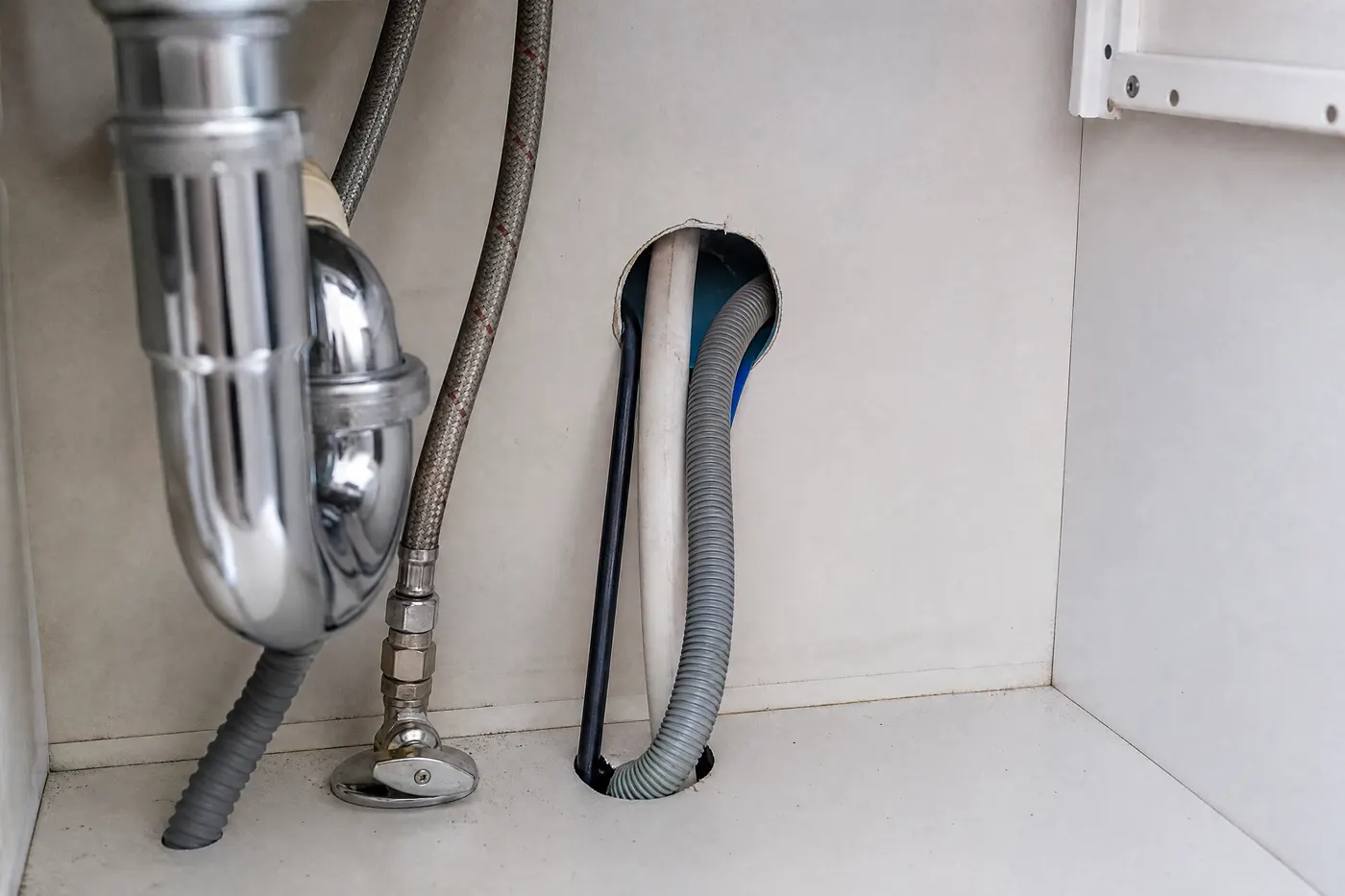
Attached buildings have connected pathways. Plumbing chases, utility openings, wall voids, vents, door gaps and hallways can let roaches move farther than the room where you notice them. A kitchen may be clean and still sit beside the route.
The species matters too. A large roach at a balcony or garage door can be an outdoor visitor. Several small tan roaches near a refrigerator, dishwasher or cabinet hinge suggest a different kind of indoor problem. Those situations need different questions and should not be collapsed into one generic treatment.
Who is responsible?
There is no universal answer for every Florida apartment or condo. Responsibility can depend on the lease, association declaration, maintenance rules, the location of the source and whether the affected area is inside a unit or a common element.
That is why "who pays?" should be treated as a document and source question, not a guess based on where the roach was found. A resident may be responsible for a condition inside the unit while the association or owner handles a common-area route. The governing documents and the physical inspection decide which description fits.
If you rent, notify the property manager in writing and keep the message. If you own a condo, notify the association or management company when the activity could involve a shared wall, plumbing chase or common element. A written record also prevents a recurring issue from being treated as a one-off complaint.
What to document
The best report is specific enough for another person to see the pattern:
- Date and time: Note whether sightings occur after dark, in the morning or during the day.
- Room and edge: Record the cabinet, appliance, wall, door or drain where the roach appeared.
- Approximate size and color: Large reddish-brown and small tan suggest different starting points.
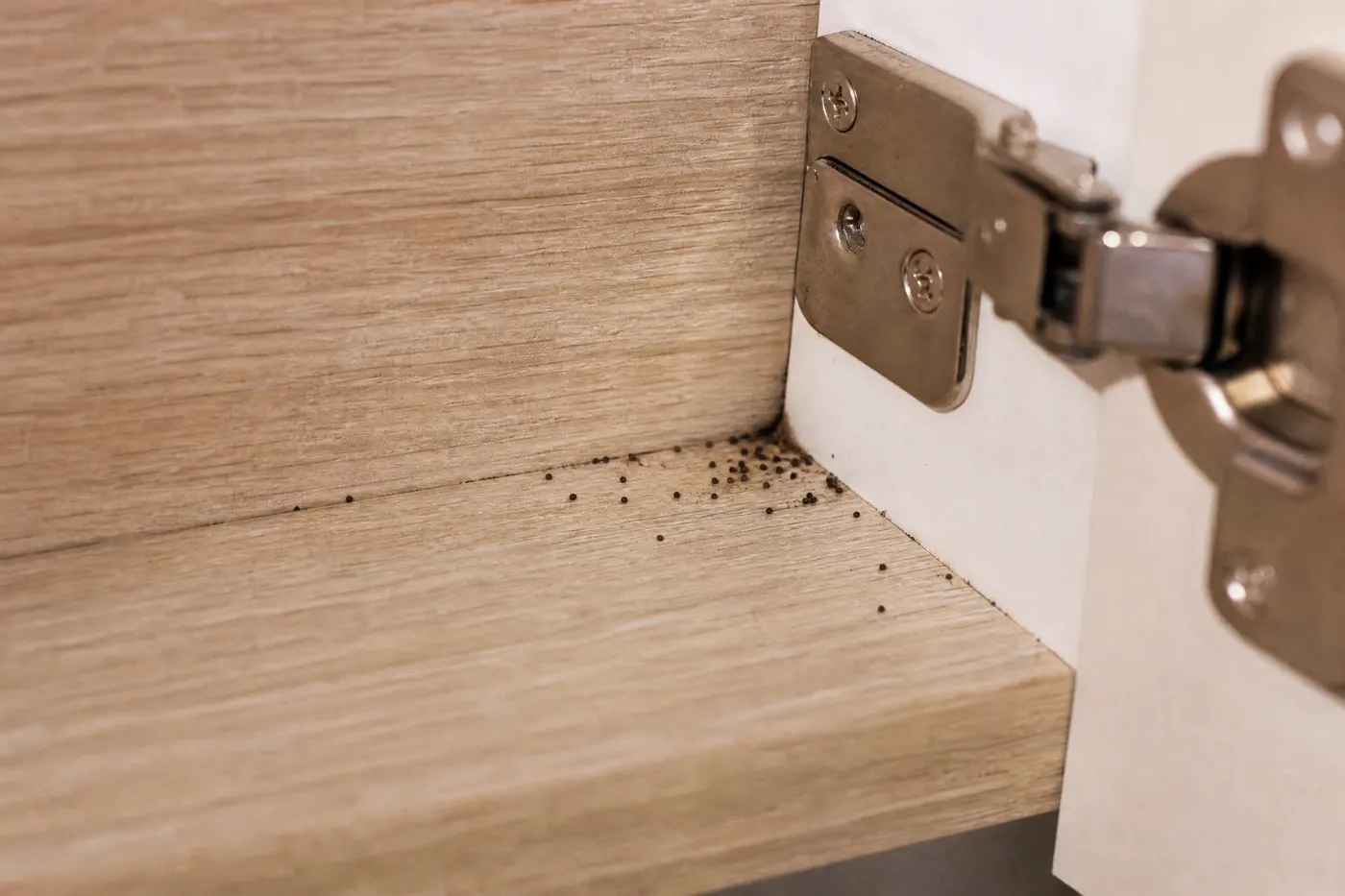
- Evidence: Photograph droppings, egg cases, shed skins or repeated trails before cleaning the area.
- Previous work: Include sprays, treatments, dates and the rooms affected.
- Building pattern: Ask whether adjacent units or common areas have seen the same activity.
Do not make an accusation about a neighbor from one sighting. The goal is to give management enough detail to coordinate access and find a shared route.
What the property manager needs
Management needs a request they can act on. State the unit, rooms affected, dates, approximate size and whether the issue returned after treatment. Ask whether the building has a coordinated pest process and whether access to an adjacent unit or common area is required.
If a manager sends someone only to spray the open floor, ask what was inspected and whether shared routes were considered. You do not need to prescribe the treatment. You do need a record of the source question and the next follow-up.
For a condo association, the declaration and maintenance matrix often matter more than a generic internet answer. Keep a copy of the relevant rule and ask which party is responsible for the suspected location. If the documents are unclear, obtain professional advice rather than turning a pest article into a legal conclusion.
When to book an inspection
Book an inspection when activity is repeated, appears in more than one room, returns after treatment, occurs during the day or includes nymphs and droppings. These signs make it less likely that you are dealing with one outdoor visitor.
An inspection should establish the species, route, likely source and whether the problem is limited to your unit. That information helps you speak with management using evidence instead of frustration. HONEX serves Broward County; book online and a technician calls you back with the exact price during business hours (Mon–Fri 9am–5pm), before any work starts.
Frequently asked questions
Common routes include shared plumbing chases, utility penetrations, gaps around doors, vents, wall voids and deliveries or belongings brought inside. In an attached building, treating one cabinet may not solve activity if the source remains in a neighboring unit or common area.
There is no universal answer. Payment can depend on the lease, declaration, maintenance responsibility, the location of the source and whether the issue is inside a unit or in a common element. Review the governing documents and notify the property manager before assuming responsibility.
Send the dates, rooms, time of day, approximate size, photos when possible and whether the activity is near plumbing, doors or shared walls. Mention any prior treatment and whether activity returned. A pattern is more useful than a single blurry sighting.
A treatment can reduce activity in your unit while a neighboring source, shared void or building entry route remains active. Species also matters: an outdoor roach entering through a door is a different problem from a reproducing indoor colony in a kitchen wall.
HONEX provides cockroach service across Broward County. Book online and a technician calls you back during business hours (Mon–Fri 9am–5pm) with the exact price before any work starts.
Still dealing with it?
Cockroach Control across Broward County, FL, backed by a 30-day guarantee.
Book online in a few minutes and a Broward tech calls you back with your exact price (Mon–Fri 9am–5pm) — before any work starts.
Get rid of cockroaches todayKeep reading
Cockroach Droppings: What They Look Like and What They Mean
What roach droppings look like by species, how to tell them from mouse droppings, where to check first, and what the amount tells you about the infestation.
Roaches in a Clean House? Here's What's Really Attracting Them
A clean home can still have roaches. Moisture, heat, wall voids and shared building routes matter more than crumbs, especially in South Florida homes and condos.
Palmetto Bug vs Cockroach: What South Florida Homeowners Are Actually Seeing
A palmetto bug is a cockroach — here's which one, how to tell it from the kitchen roach, whether they fly, and what each one means for your home.