
Cockroaches · Broward County, FL
Palmetto Bug vs Cockroach: What South Florida Homeowners Are Actually Seeing
The short answer
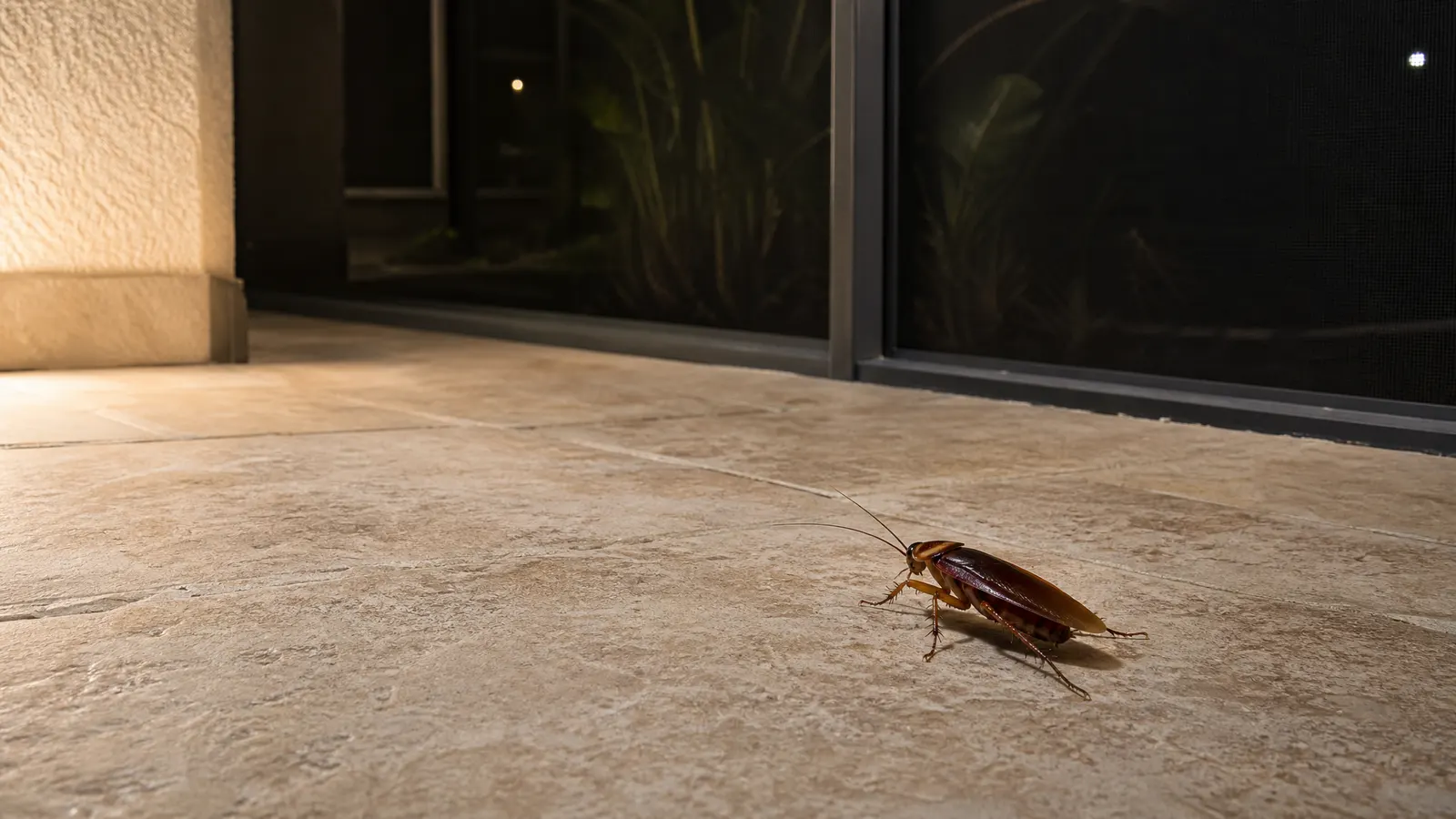
A palmetto bug is a cockroach. In South Florida the name almost always means the American cockroach — a large reddish-brown roach that lives outdoors and wanders in at night. It is not a separate species, and it is not the small kitchen roach that most serious infestations are built on.
Every South Florida homeowner has the same August night: something the size of a AA battery skitters across the patio tile, and somebody says "it's just a palmetto bug, not a roach."
That sentence is wrong, and the difference matters — because the two roaches people are actually trying to tell apart need completely different treatments.
Is a palmetto bug a cockroach?
Yes. "Palmetto bug" is a regional nickname, not a species. In Broward County it almost always means the American cockroach, and occasionally the smokybrown or Florida woods cockroach. All three are cockroaches.
The nickname stuck because these roaches genuinely do live in palmetto fronds, tree hollows, mulch beds and sewer lines. They are outdoor insects that come inside — which is the whole point, and the reason the distinction is useful.
Other Florida roaches people call palmetto bugs
The nickname gets applied loosely, and three species collect it regularly. They behave similarly enough that the treatment approach overlaps, but knowing which one you have tells your technician where to look.
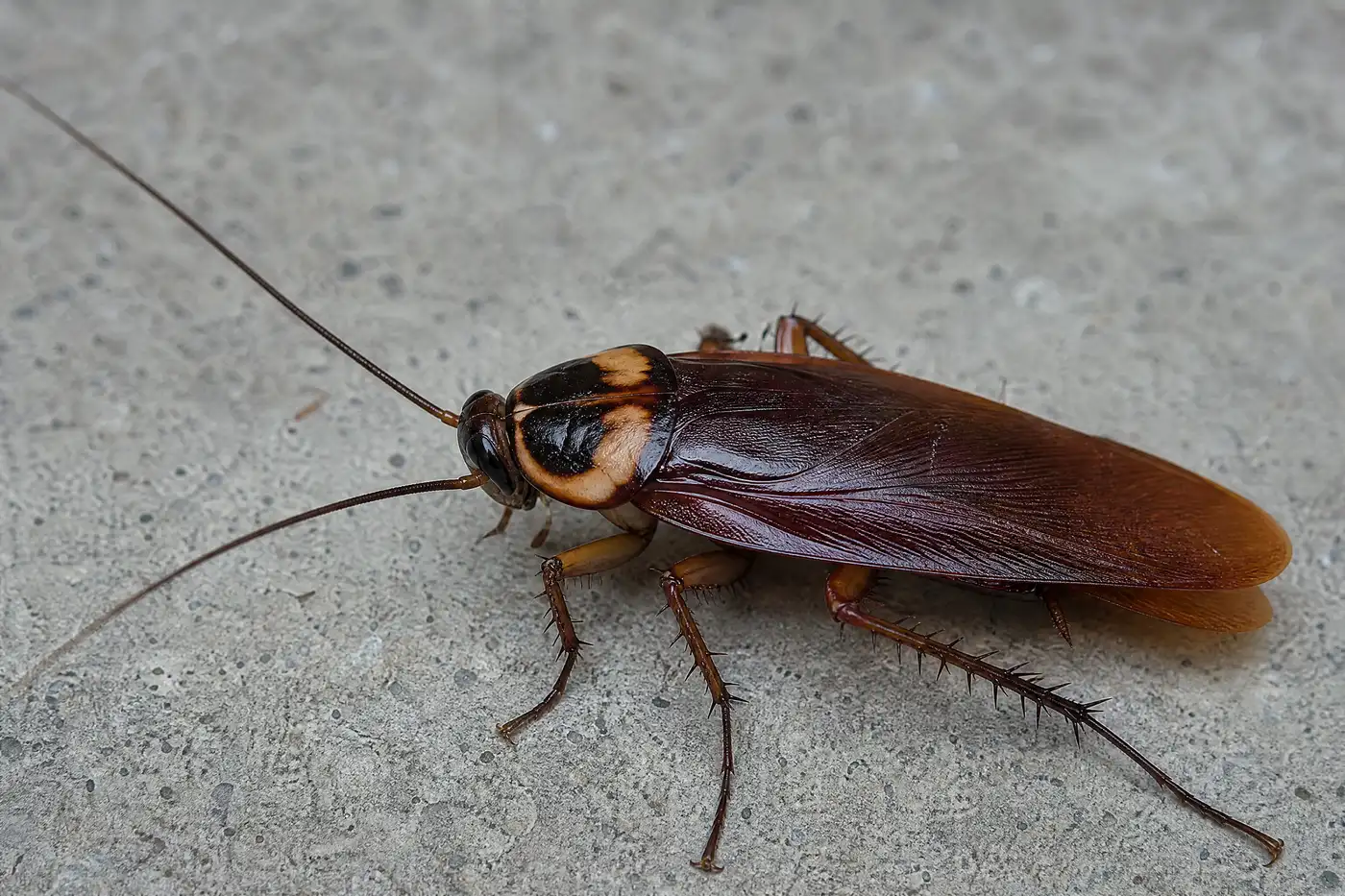
- American cockroach — the default. Up to two inches, reddish-brown, pale figure-8 behind the head. Lives in sewers, drains, mulch, tree hollows and irrigation boxes. The one you find in the bathroom at midnight.
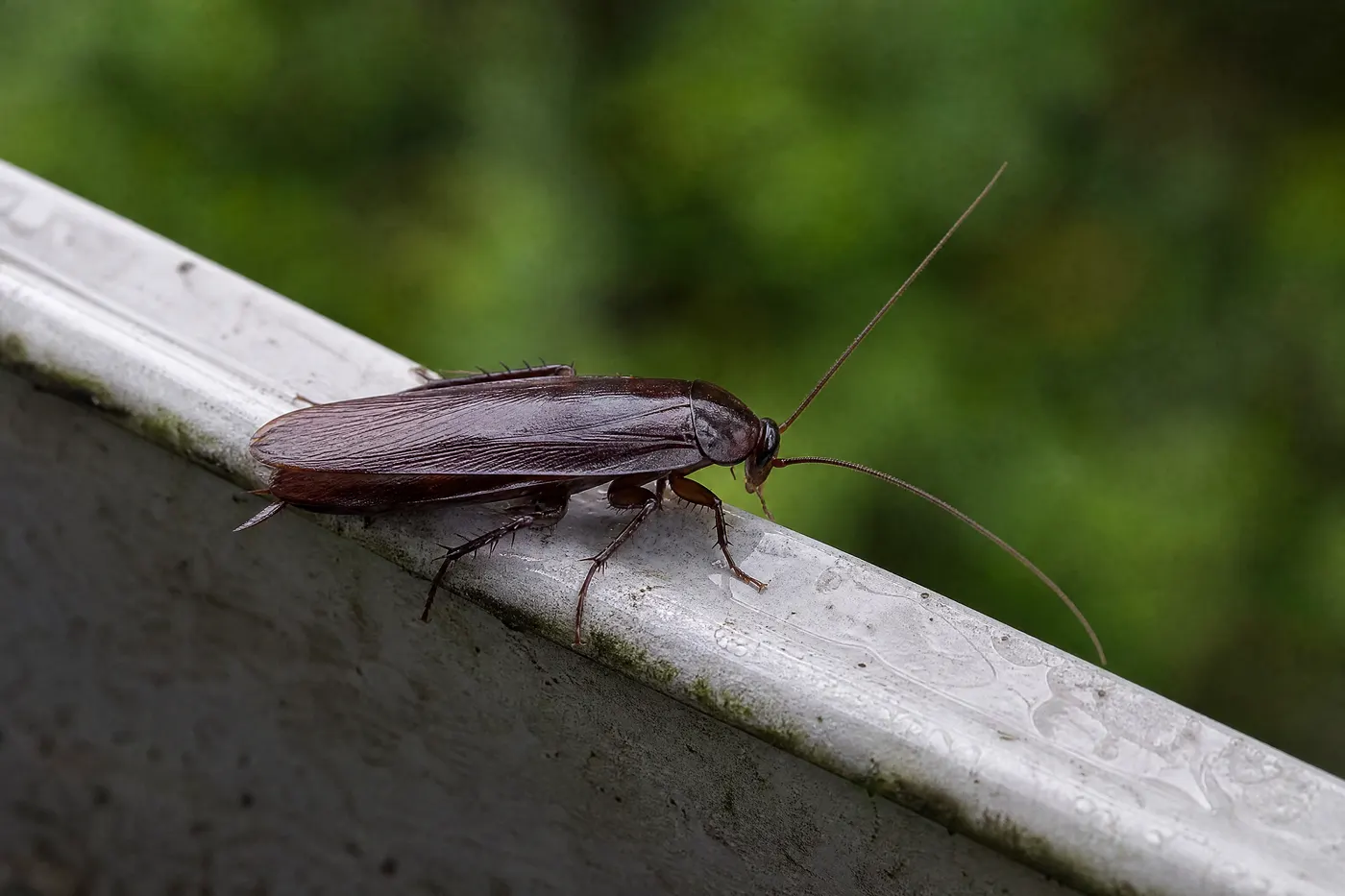
- Smokybrown cockroach — slightly smaller, uniformly dark mahogany with no markings, and glossier. Loses moisture faster than the American, so it stays closer to damp harborage: gutters, tree canopy, attics, wood piles. It flies more readily than the American does.
- Florida woods cockroach — the "stinking cockroach." Broad, matte, slow, and it releases a genuinely foul defensive spray when threatened. Lives in leaf litter and mulch. Rarely establishes indoors; when one turns up in the house, it almost always walked in from the yard.
What none of these are is a German roach. If you take one thing from this: the big ones came from outside, the small ones live inside, and that single distinction determines the entire plan.
Palmetto bug vs German roach
This is the comparison that actually changes what you do next.
| Palmetto bug (American cockroach) | German roach | |
|---|---|---|
| Size | 1.5–2 inches | 0.5 inches |
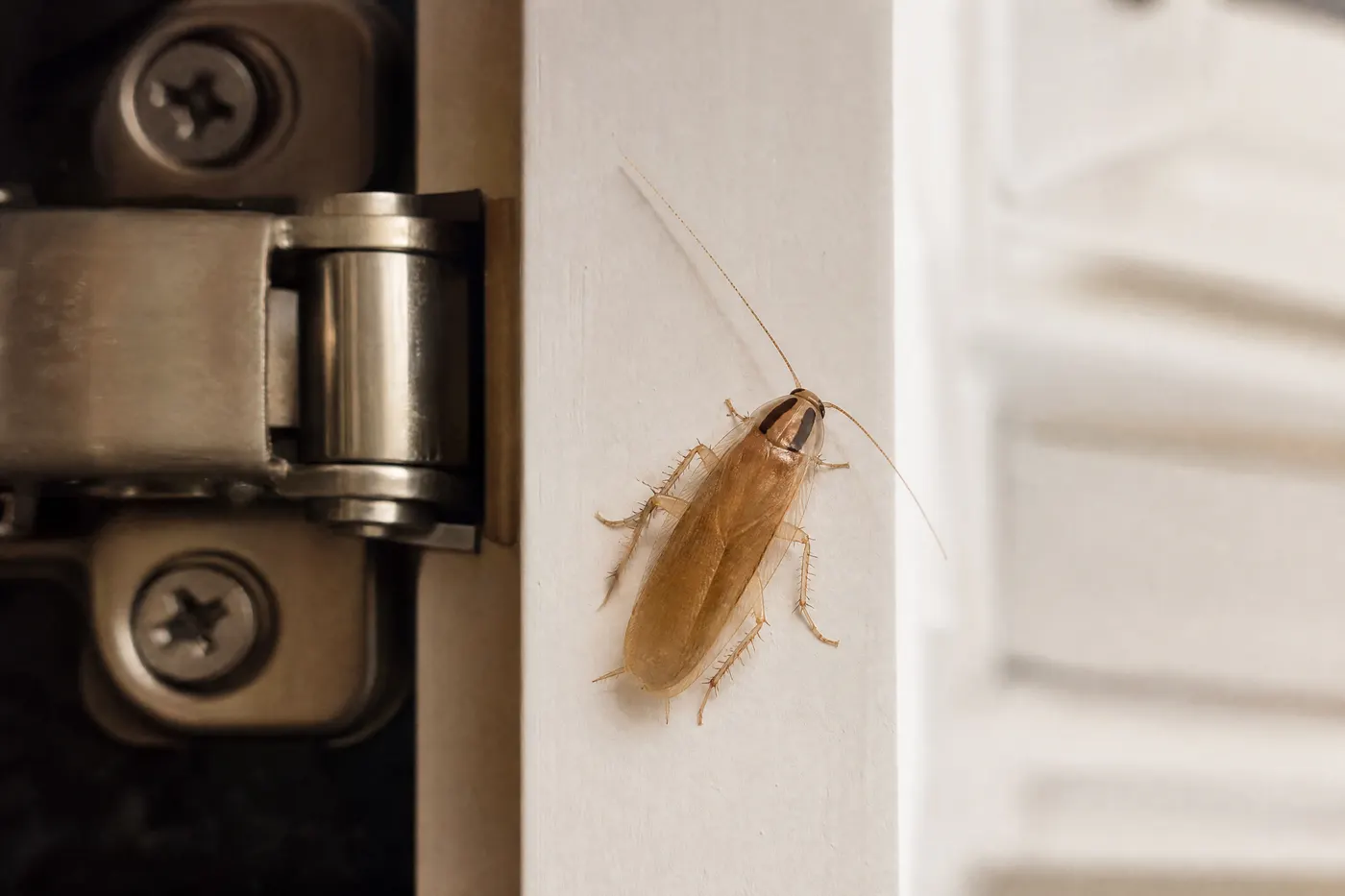
| Color | Reddish-brown, glossy, pale figure-8 marking behind the head | Light tan with two dark stripes behind the head |
| Wings | Full-length, extend past the body, capable of flight | Present but rarely used for flight |
| Where it lives | Outdoors — mulch, palms, drains, attics, garages | Indoors only — inside cabinets, appliance motors, wall voids |
| What it means | Usually a perimeter and entry-point problem | An established indoor colony that is already reproducing |
The short version: big roach, outside problem. Small roach, inside problem.
A palmetto bug in your bathroom at 11pm probably came up a drain or in through a soffit gap. Five small tan roaches in your dishwasher gasket means a colony has been living in your kitchen for weeks.
Do palmetto bugs fly?
They can, but "fly" oversells it. American cockroaches have full wings and use them mostly to glide — dropping off a wall, a ceiling or a tree limb and steering on the way down.
Two things make it more likely, and both describe a South Florida summer: heat above roughly 85°F, and humidity. That's why they seem to materialize out of nowhere in August and why people swear the ones near the pool cage "went for them." The roach was gliding off a wall, not aiming.
Why palmetto bugs get inside
They are not trying to move in. They are following moisture and finding a gap on the way.
- Drains and P-traps — a guest bathroom nobody uses lets the trap dry out, and the sewer line becomes an open corridor.
- Soffits and roof returns — a favorite route into attics, especially where a palm or ficus touches the roofline.
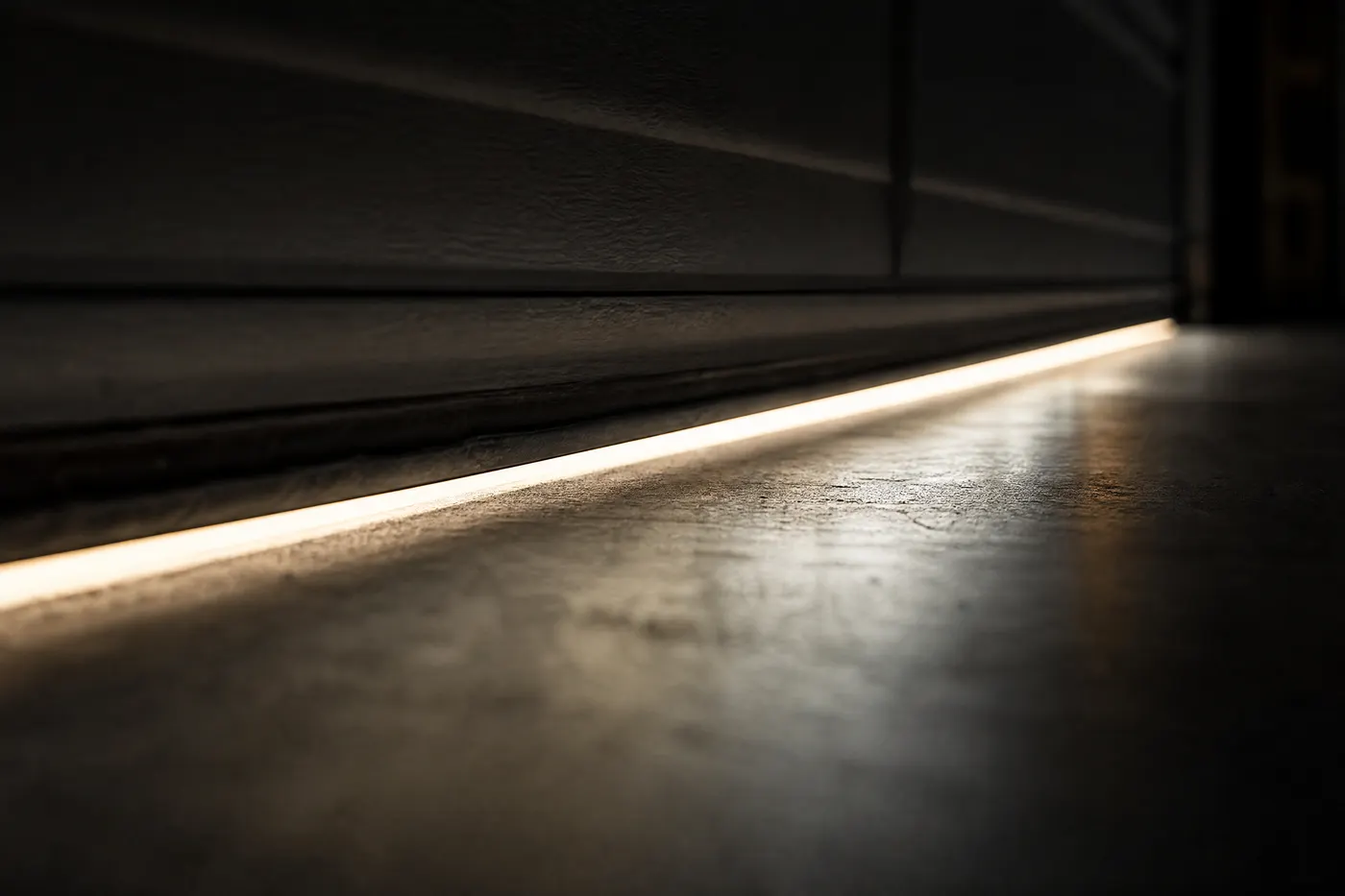
- Garage door sweeps — the rubber strip flattens with age and leaves a quarter-inch gap across the whole opening.
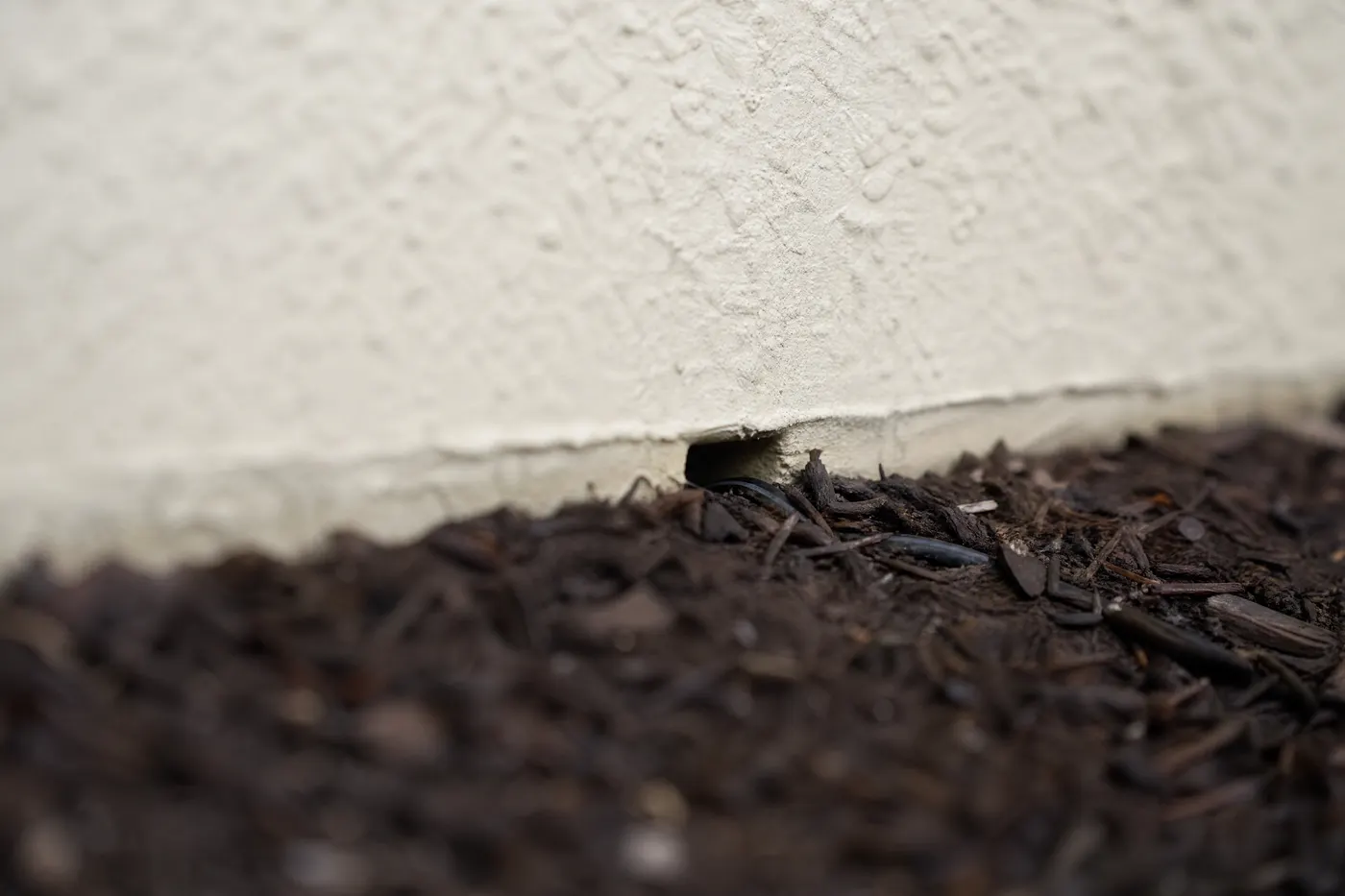
- Weep holes and utility penetrations — where the AC line set, cable and irrigation enter the block.
- Mulch against the foundation — cypress and eucalyptus mulch banked up to the stucco is ideal harborage six inches from your wall.
Fix the moisture and the gaps and the traffic drops sharply, because you have removed the reason and the route at the same time.
What each one means for your home
Here is the part most articles skip: the two roaches get treated differently, so a misidentification wastes a visit.
Palmetto bugs are handled from the outside in. Your technician treats the perimeter, the harborage points, the roof line and the entry gaps, then places targeted material where the roaches actually travel — in cracks, voids and utility penetrations, out of reach of kids and pets. Interior fogging does almost nothing for a problem whose source is your mulch bed.
German roaches are handled from the inside out. They need gel bait and an insect growth regulator placed into the voids where the colony nests, and they usually need more than one visit because of how the egg cases hatch. Spraying them is actively counterproductive — repellent sprays scatter the colony deeper into the structure and scatter one infestation into several.
If you're not sure which one you have, that's a normal call. A technician can identify it in about a minute, and identification is what determines the plan.
What to do the night you see one
Assuming it's 11pm and you would like to go to bed:
- Catch it if you can, in a jar or under a glass. A real specimen makes identification certain, and it settles the palmetto-versus-German question in seconds instead of from a blurry photo.
- Check the nearest drain. Run water in any tub, shower or sink that doesn't get used weekly. A dry P-trap is the single most common overnight entry route, and refilling it closes the door immediately.
- Look at the door sweeps. Kneel by the garage door and the front door at night with the outside light on. If you can see light under the door, a roach can walk under it.
- Don't fog the house. For the reasons above — wrong tool for an outside problem, and actively counterproductive if it turns out to be German roaches.
- Note where and when. Room, time, and how many. That pattern is what tells a technician whether you have traffic from outside or something living in the walls.
Frequently asked questions
Yes. "Palmetto bug" is a regional nickname, not a species. In South Florida it almost always refers to the American cockroach, and sometimes to the smokybrown or Florida woods cockroach. All of them are cockroaches.
American cockroaches have full wings and can fly, but they mostly glide — dropping from a wall, ceiling or tree limb rather than flying across a room. Warm, humid nights make flight more likely, which is why they seem to appear out of nowhere in August.
Not necessarily. Palmetto bugs live outdoors and wander in through gaps, drains and soffits, so a single one can be a stray. Seeing them repeatedly, or seeing them during the day, points to a harborage on or next to your property.
They are usually easier, because the problem is outside. Palmetto bugs are treated at the perimeter and at entry points. German roaches nest inside walls and appliances and need interior baiting, which takes longer.
We offer same-day service across Broward County when you book within business hours (Mon–Fri 9am–5pm). Your technician confirms the window on the callback.
Still dealing with it?
Cockroach Control across Broward County, FL, backed by a 30-day guarantee.
Book online in a few minutes and a Broward tech calls you back with your exact price (Mon–Fri 9am–5pm) — before any work starts.
Get rid of cockroaches todayKeep reading
Cockroach Droppings: What They Look Like and What They Mean
What roach droppings look like by species, how to tell them from mouse droppings, where to check first, and what the amount tells you about the infestation.
Ghost Ants: The Tiny Kitchen Invader You Can't Kill With Spray
Ghost ants are the #1 kitchen ant in South Florida. What they look like, why spraying multiplies them, and what actually ends the colony.