
Cockroaches · Broward County, FL
9 Mistakes People Make With Roach Bait, Traps and Boric Acid
The short answer
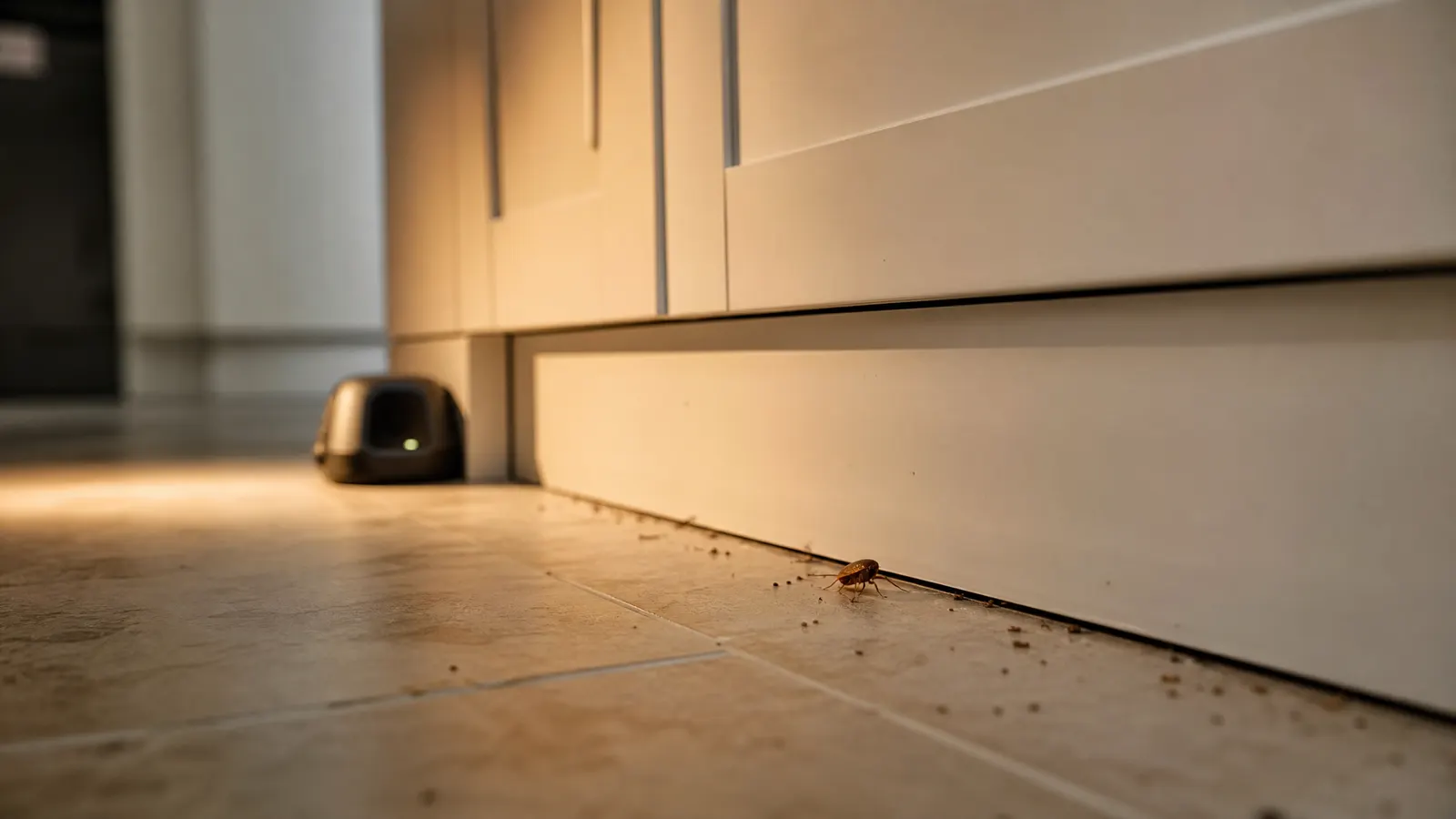
Roach control fails when bait is placed away from active routes, traps are treated as the whole plan, boric acid is spread where it gets wet, or repellent spray contaminates the area. Identify the species, remove competing food and use monitoring to learn where the colony actually travels.
The hardware-store aisle makes roach control look like a shopping problem: buy a bait, add a trap and dust a little boric acid. Those tools can provide useful information, but they fail when their placement fights roach behavior. The species, route and moisture conditions matter more than the number of products on the shelf.
The nine mistakes
Mistake 1: Baiting the wrong place
A bait on an open counter is not necessarily near the colony. Roaches follow edges, cabinet hinges, appliance gaps and plumbing routes. Put monitoring where activity is documented, not where it is easiest to reach.
Mistake 2: Using too much
Large blobs are not a better invitation. Small, fresh, protected placements are easier to keep clean and easier to monitor. Follow the label rather than creating a continuous line of material across a room.
Mistake 3: Spraying over bait
Repellent spray can contaminate a bait route or make roaches avoid it. It can also push activity into an appliance, wall void or neighboring room. A quiet baseboard is not proof that the source is gone.
Mistake 4: Expecting traps to finish the job
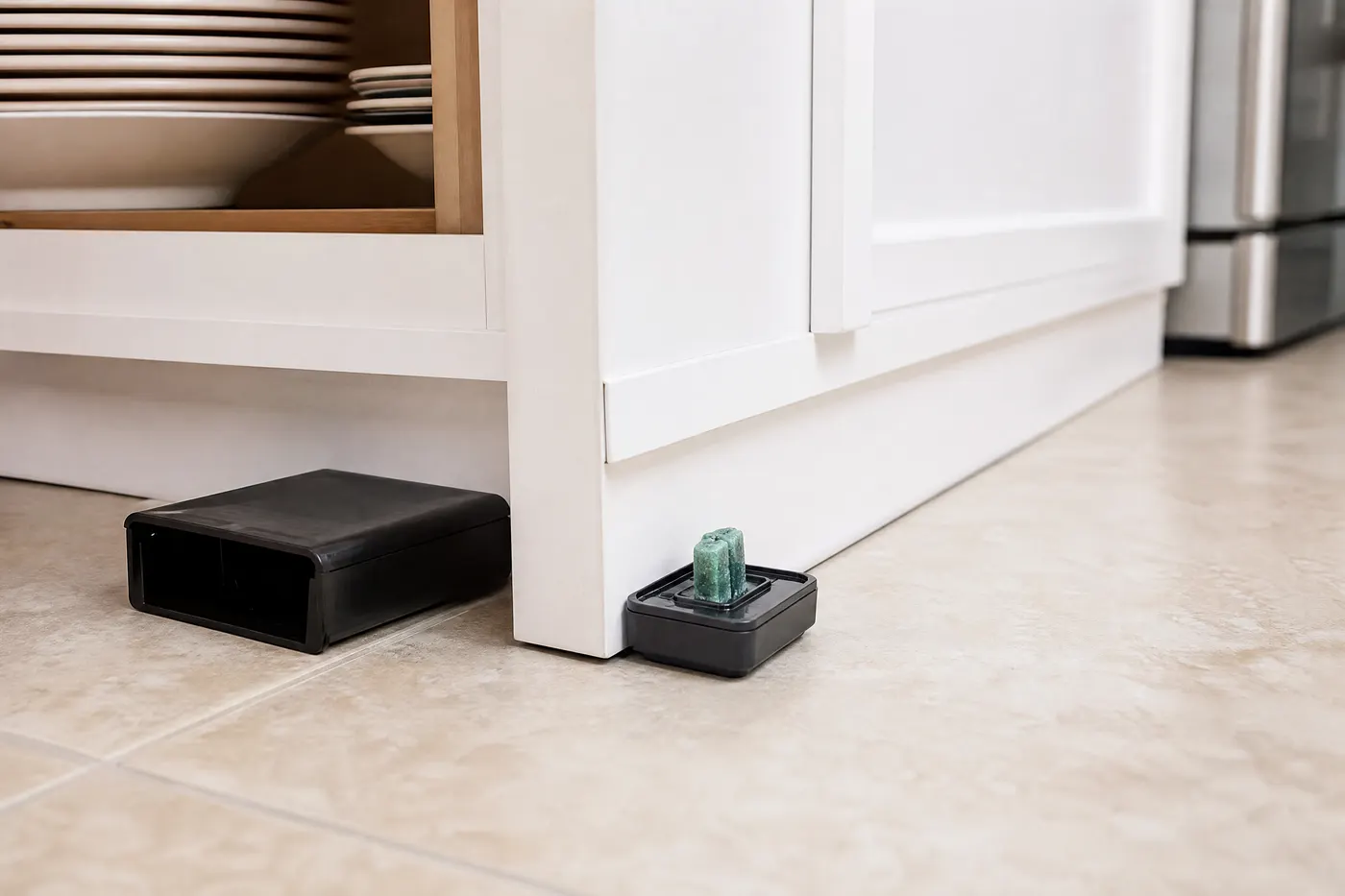
Traps are excellent monitors. They show size, timing and direction of travel. They rarely remove a reproducing colony by themselves, and they cannot close a door gap or reach a protected nest.
Mistake 5: Spreading boric acid where it gets wet
Dust behaves differently when it clumps, gets washed away or is placed where it can be disturbed. Any pesticide must be used according to its label, including the permitted site and amount. More visible powder is not a more precise plan.
Mistake 6: Ignoring competing food and water
Crumbs, grease, pet food, cardboard, leaking plumbing and condensation can all change what a roach chooses. Ordinary cleaning helps, but it does not replace finding the colony.
Mistake 7: Treating every roach as the same
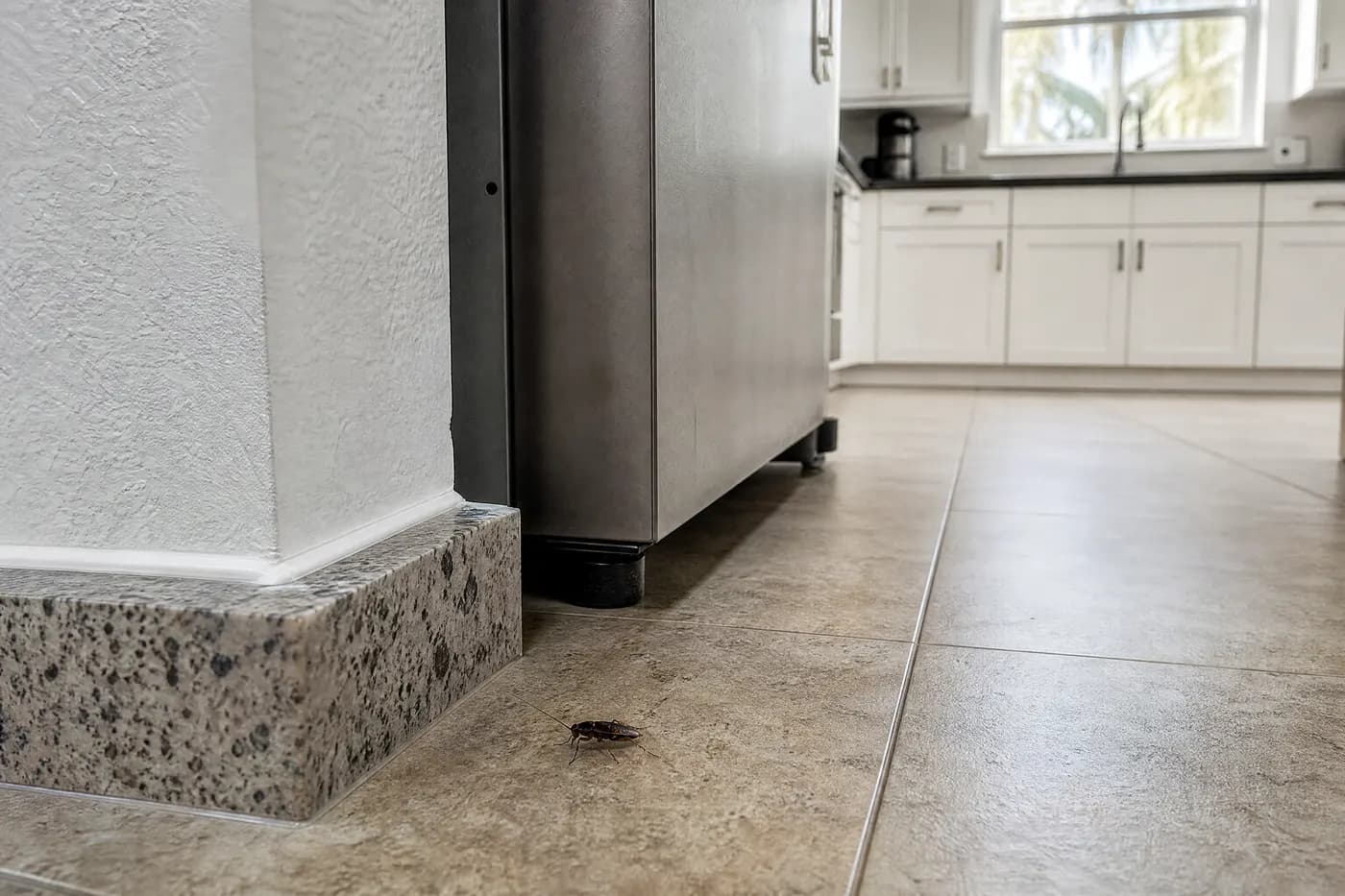
An American cockroach entering from a garage and a German cockroach reproducing behind a refrigerator require different inspections. Body size, markings, nymphs and location should be recorded before treatment.
Mistake 8: Moving traps every night
Constant movement destroys the pattern you are trying to learn. Leave a monitor in a sensible route long enough to collect evidence, then compare the results with sightings, droppings and moisture.
Mistake 9: Cleaning away all evidence before asking for help
Photograph droppings, egg cases and the exact corner where activity appeared. Then clean for hygiene. The location is diagnostic even after the material is gone.
A better DIY check
Start with three questions: Is the roach large or small? Is it appearing in a protected indoor route or near an exterior entry? Are there nymphs or droppings? Those answers separate a stray visitor from a colony worth mapping.
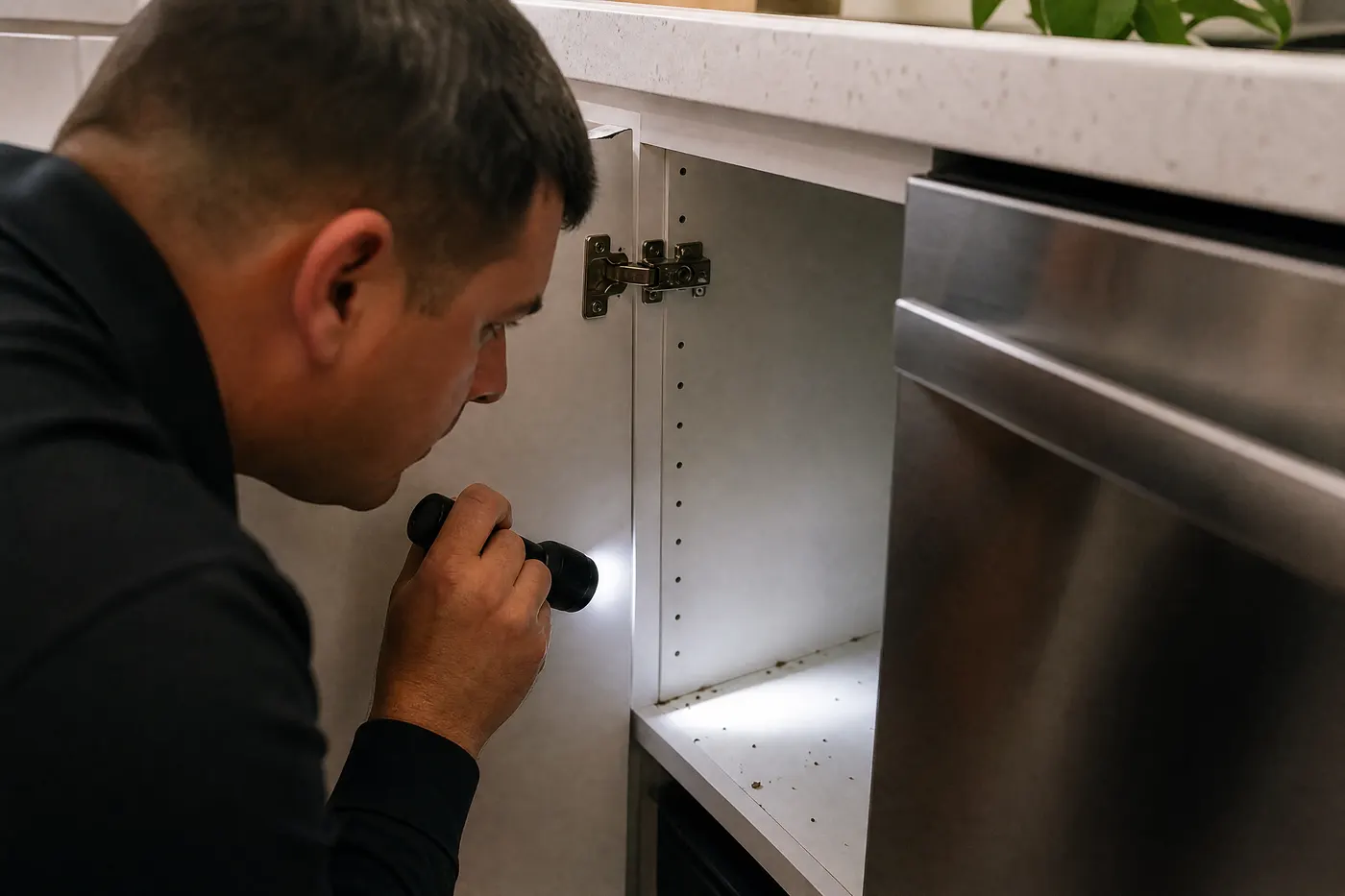
If activity continues, stop adding products at random. A species-first inspection can tell you whether bait, exclusion, moisture correction or a coordinated building response is the missing part.
Frequently asked questions
The bait may be away from the route, old, contaminated by spray or competing with crumbs and moisture. It may also be the wrong approach for an outdoor roach entering from a door or drain. Placement and species come before adding more product.
Traps are useful monitors and can remove individual insects, but they rarely address a reproducing colony by themselves. A trap tells you where activity is occurring; it does not seal an entry point or reach a protected harborage.
Moisture changes how a dust behaves and can make it clump or disappear. Any pesticide must be used according to its label, in a location and amount the label permits. Avoid spreading dust across open surfaces where it can be disturbed.
Still dealing with it?
Cockroach Control across Broward County, FL, backed by a 30-day guarantee.
Book online in a few minutes and a Broward tech calls you back with your exact price (Mon–Fri 9am–5pm) — before any work starts.
Get rid of cockroaches todayKeep reading
Why You Keep Seeing Roaches After You Spray
Spray can kill the roaches you see without reaching the colony behind the wall. Learn why activity returns, what evidence matters, and what to change next.
How to Get Rid of Roaches in Florida: The Complete Guide
A species-first Florida guide to stopping outdoor roaches, indoor German colonies, moisture routes and recurring activity without guesswork.
German Roaches: Why the Small Ones Are the Serious Problem
Small tan roaches in a kitchen are often German cockroaches. Learn the visual signs, where they hide, why daytime sightings matter, and what not to spray.