
Cockroaches · Broward County, FL
How to Get Rid of Roaches in Florida: The Complete Guide
The short answer
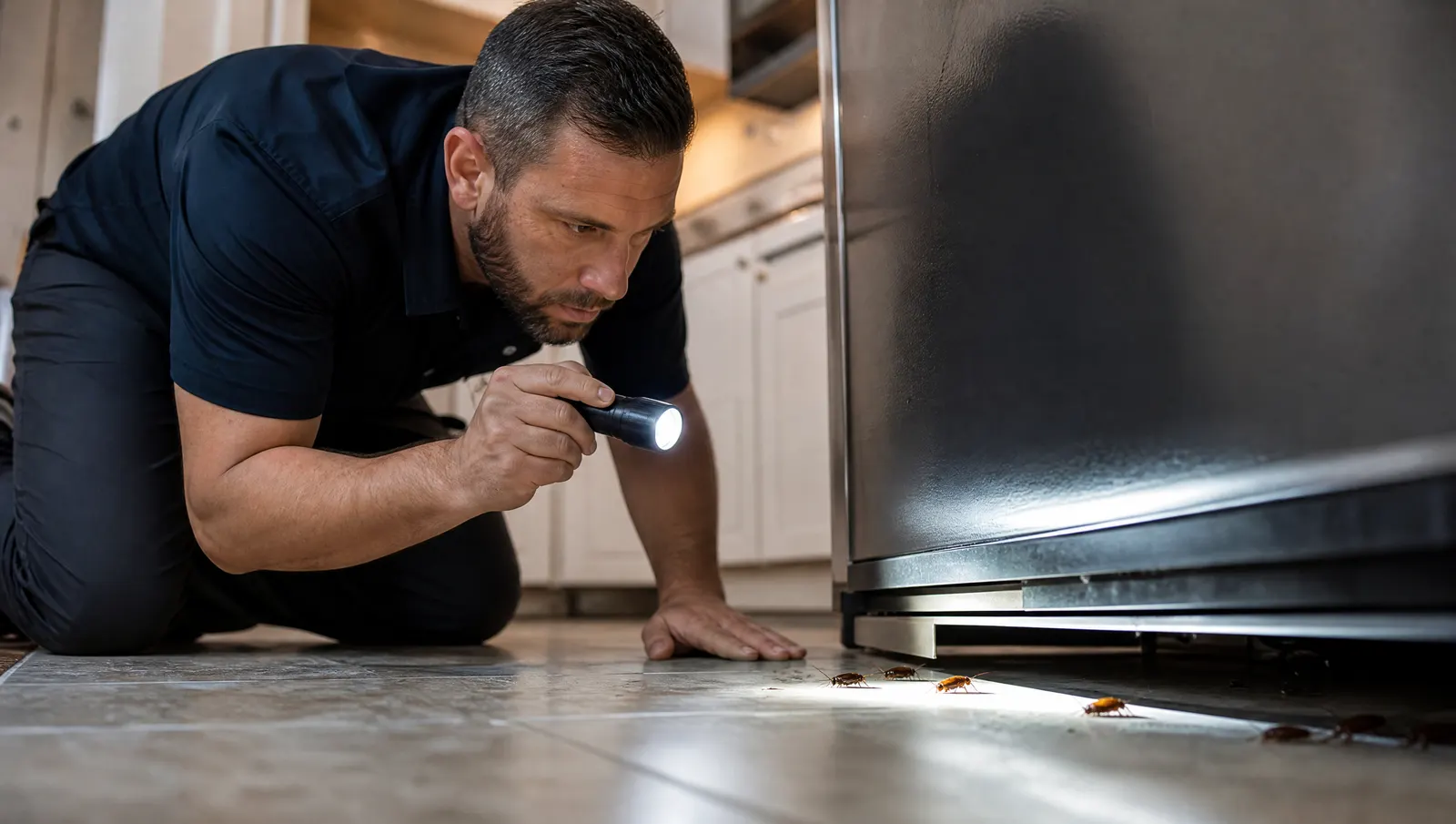
Getting rid of roaches in Florida takes four steps: identify the species, find the route or colony, remove moisture and access, then use a treatment that fits the evidence. Outdoor American roaches need exclusion and perimeter work; German roaches need precise indoor baiting, monitoring and follow-up.
Florida roach control is more reliable when it begins with a species and ends with a route. A large American cockroach entering from a garage is not the same problem as small German roaches reproducing behind a refrigerator. The four steps below keep those two jobs from being treated as one generic infestation.
Step 1: identify the roach
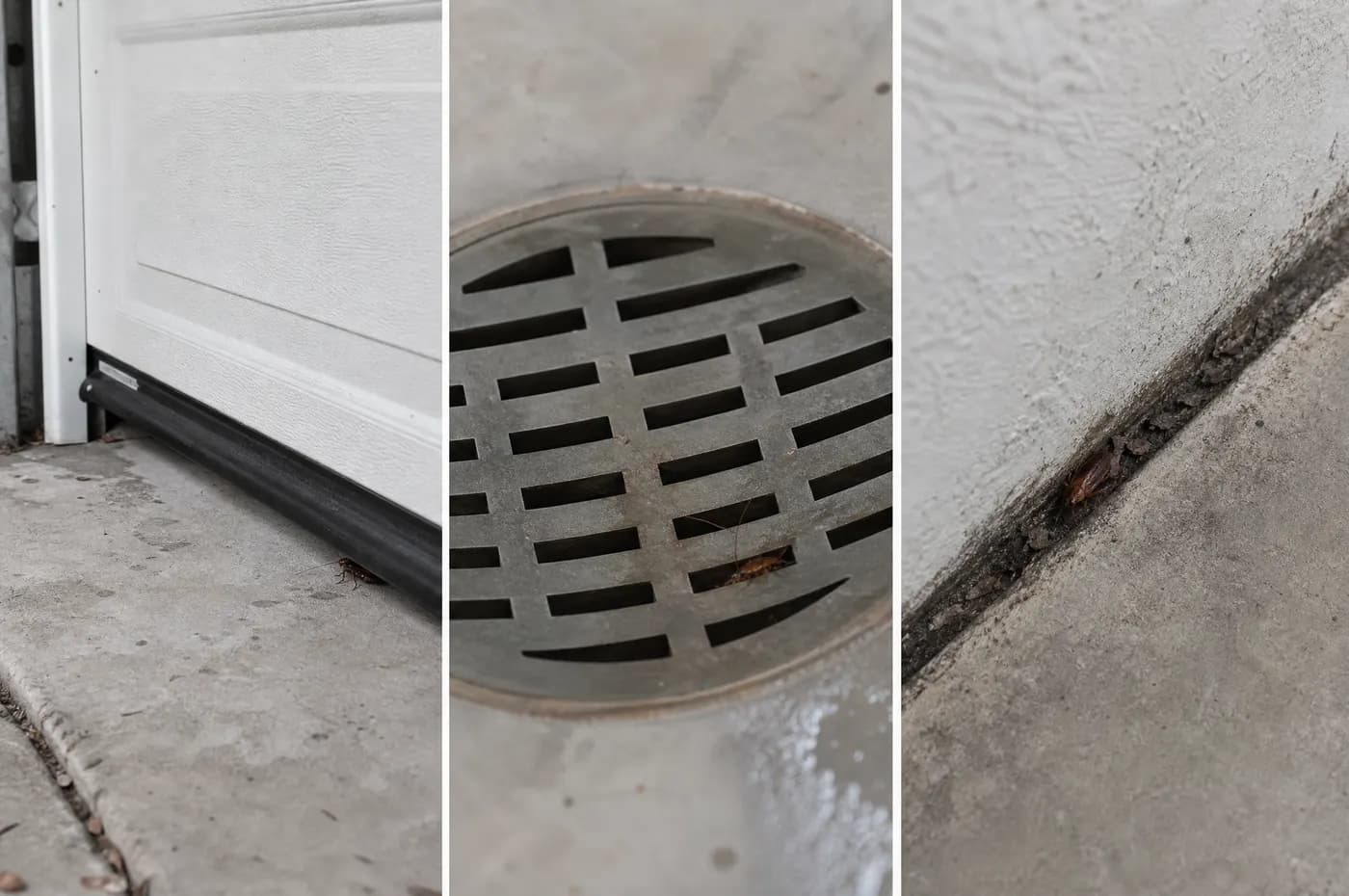
Photograph the body from above and record approximate size, color, markings, time and room. Small tan roaches with two dark lines behind the head point toward German cockroaches. Large reddish-brown roaches near doors, drains or garages are more consistent with outdoor species. A clear specimen beats a guess from a fast-moving shadow.
Step 2: find the source
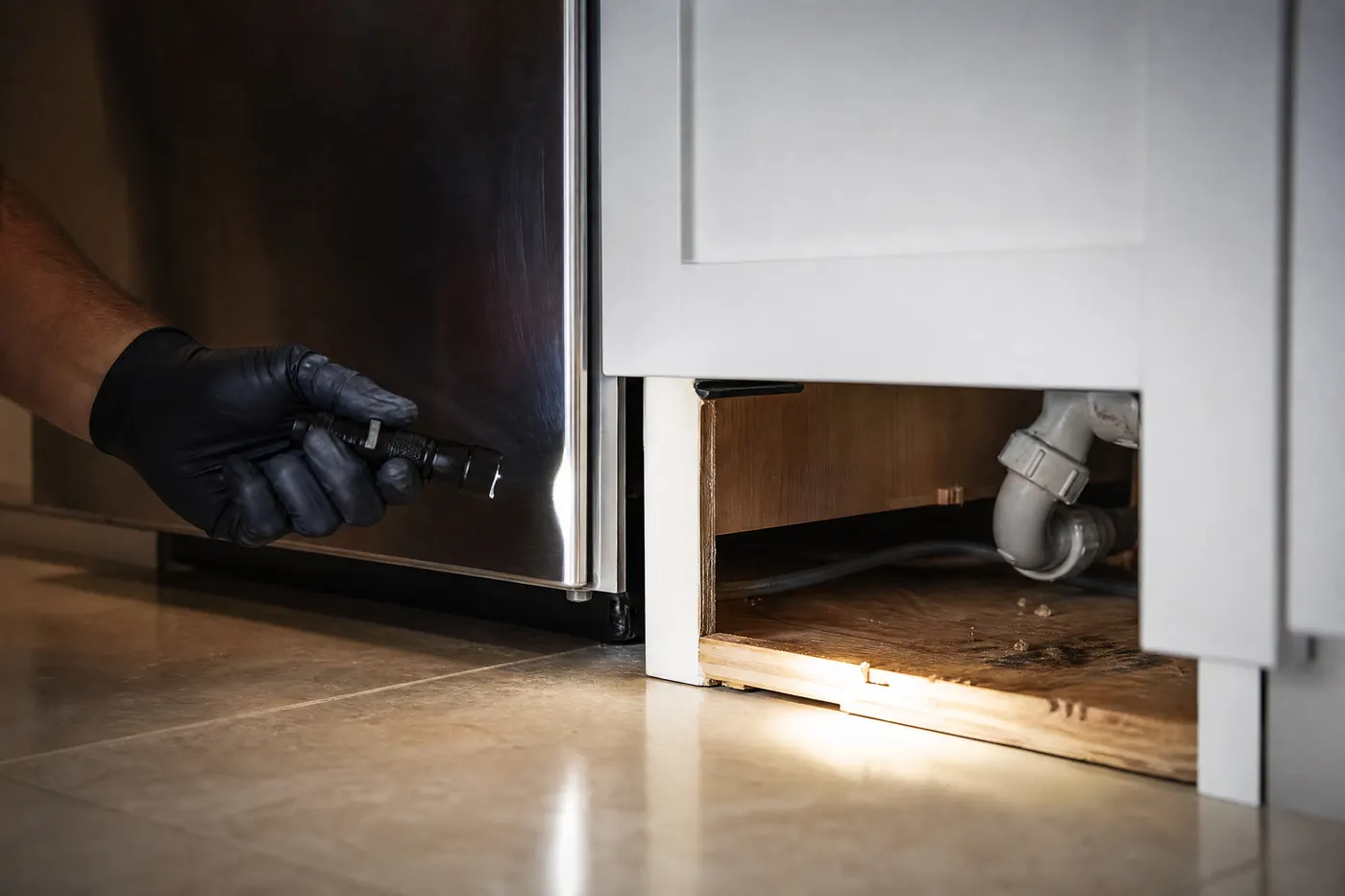
Check cabinet hinges, drawer corners, appliance motors, plumbing openings, drains, door sweeps and garage thresholds. Look for droppings, egg cases, nymphs, moisture and repeated direction of travel. In attached housing, ask whether a shared wall or utility chase could be involved.
Step 3: remove what keeps it going
Fix leaks and condensation, keep food sealed, clean residue and remove standing water as ordinary maintenance. Close gaps at doors and utilities where practical and reduce exterior harborage near the foundation. These steps reduce the conditions that keep a route active, but they do not remove a hidden colony by themselves.
Step 4: match treatment to species
Indoor German roaches usually call for precise placements in cabinet, appliance and plumbing routes, monitoring and follow-up. Outdoor American roaches may need perimeter and entry work. The label controls every pesticide application; the site, species and evidence control which category is considered.
What not to do
Do not fog a kitchen as a first response. Do not keep alternating repellents around a bait route. Do not clean away every clue before taking a photograph. Repeated spraying can scatter activity and makes it harder to tell whether a colony is shrinking or simply moving.
When to call for an inspection
Ask for help when sightings repeat, nymphs or droppings appear, activity occurs during the day, a treatment has shifted the pattern or the species is unclear. Bring photographs and a short log: room, time, size, direction and anything that changed after cleaning or spraying.
The goal is not to promise that every roach disappears after one action. It is to identify the insect, reach the route, correct the conditions and measure whether the activity is actually declining.
Frequently asked questions
The fastest useful step is accurate identification and source mapping, not automatically adding a stronger spray. A stray outdoor roach and a German-roach colony need different work. Remove water and food residue while the route, species and harborages are being checked.
German roaches need a targeted indoor plan around appliances, cabinets, plumbing and wall voids. Bait placement, monitoring, reduction of competing food and follow-up are more useful than repeatedly spraying open floors or fogging the kitchen.
Warm weather, moisture, drains, garage gaps, roof returns and landscaping can keep outdoor roaches near a home. Sealing routes, correcting leaks and reducing exterior harborage can matter as much as treating the insect found indoors.
Still dealing with it?
Cockroach Control across Broward County, FL, backed by a 30-day guarantee.
Book online in a few minutes and a Broward tech calls you back with your exact price (Mon–Fri 9am–5pm) — before any work starts.
Get rid of cockroaches todayKeep reading
Why You Keep Seeing Roaches After You Spray
Spray can kill the roaches you see without reaching the colony behind the wall. Learn why activity returns, what evidence matters, and what to change next.
German Roaches: Why the Small Ones Are the Serious Problem
Small tan roaches in a kitchen are often German cockroaches. Learn the visual signs, where they hide, why daytime sightings matter, and what not to spray.
Water Bug vs Cockroach: How to Tell the Difference
In Florida, a large roach called a water bug is usually an American cockroach. Compare body shape, habitat, behavior and what to do next.