
Cockroaches · Broward County, FL
Just Moved to Florida? The 7 Pests You’ll Meet in Your First Year

The short answer
New Florida homeowners most often notice outdoor cockroaches, ghost ants, mosquitoes, termites, roof rats, silverfish and biting midges. The useful first step is not blanket spraying: learn each pest’s signature evidence, remove water and food sources, seal routes and record whether activity is indoors or outside.
Florida's first-year pest surprises are usually not random. Warm weather, irrigation, screened rooms, palms, tile roofs and shared walls create a set of repeatable routes. The useful new-home habit is to learn the evidence before reaching for a blanket spray.
The first-year calendar
There is no single month in which every pest appears. Roaches and ants can be active year-round. Mosquito pressure follows containers and rain. Termite swarmers are most visible during the warm spring window. Roof rats take advantage of fruit, palms and attic access whenever shelter is available.
1. Outdoor cockroaches
Large American and related outdoor cockroaches enter through garage seals, drains, doors, roof returns, utility gaps and wet landscape edges. One visitor does not prove an indoor colony. Repeated sightings, droppings or activity in a protected cabinet route are stronger evidence.
2. Tiny kitchen ants
Ghost ants and other small household ants follow water and sugar along backsplashes, sinks, cabinet seams and plants. Their nest is often in a wall, pot, mulch bed or utility gap rather than on the counter. Avoid judging the species by the name "sugar ant" alone.
3. Mosquitoes and biting midges
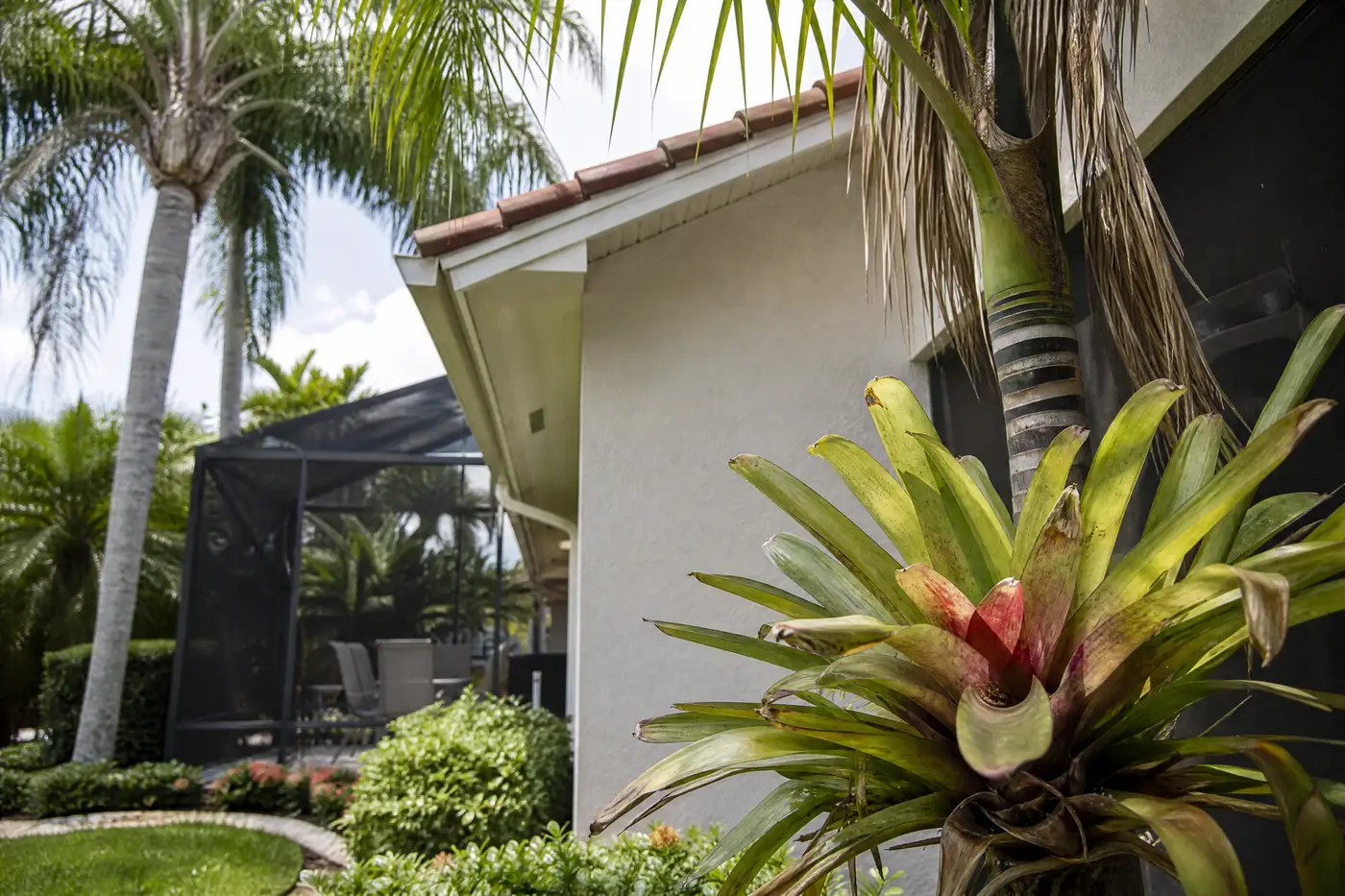
Look for plant saucers, bromeliads, clogged gutters, irrigation boxes and tarp folds. Aedes mosquitoes can bite in daylight and may breed in a small amount of water close to the home. A fine screen and a backyard breeding source are different problems from a neighborhood mosquito-control route.
4. Termite swarmers
Discarded wings on an interior sill deserve a closer look, but flying termites can also arrive from outside after being drawn to light. Save a specimen if you can. Compare a straight termite waist and equal-length wings with the pinched waist and unequal wings of a flying ant.
5. Roof rats
Fruit trees, palm fronds and roof returns create a route to the attic. Check for spindle-shaped droppings, greasy runways, gnawed irrigation and gaps at soffits or vents. Trapping without closing the entry leaves the next animal an open invitation.
6 and 7. Moisture pests
Silverfish and other moisture-loving insects can point to damp storage, condensation or leaking plumbing. Biting midges can be mistaken for mosquitoes, especially around screens and shaded patios. Note the time, body shape and exact biting location rather than using one name for every small flying insect.
A new-home pest walkthrough
During the first month, inspect these locations:
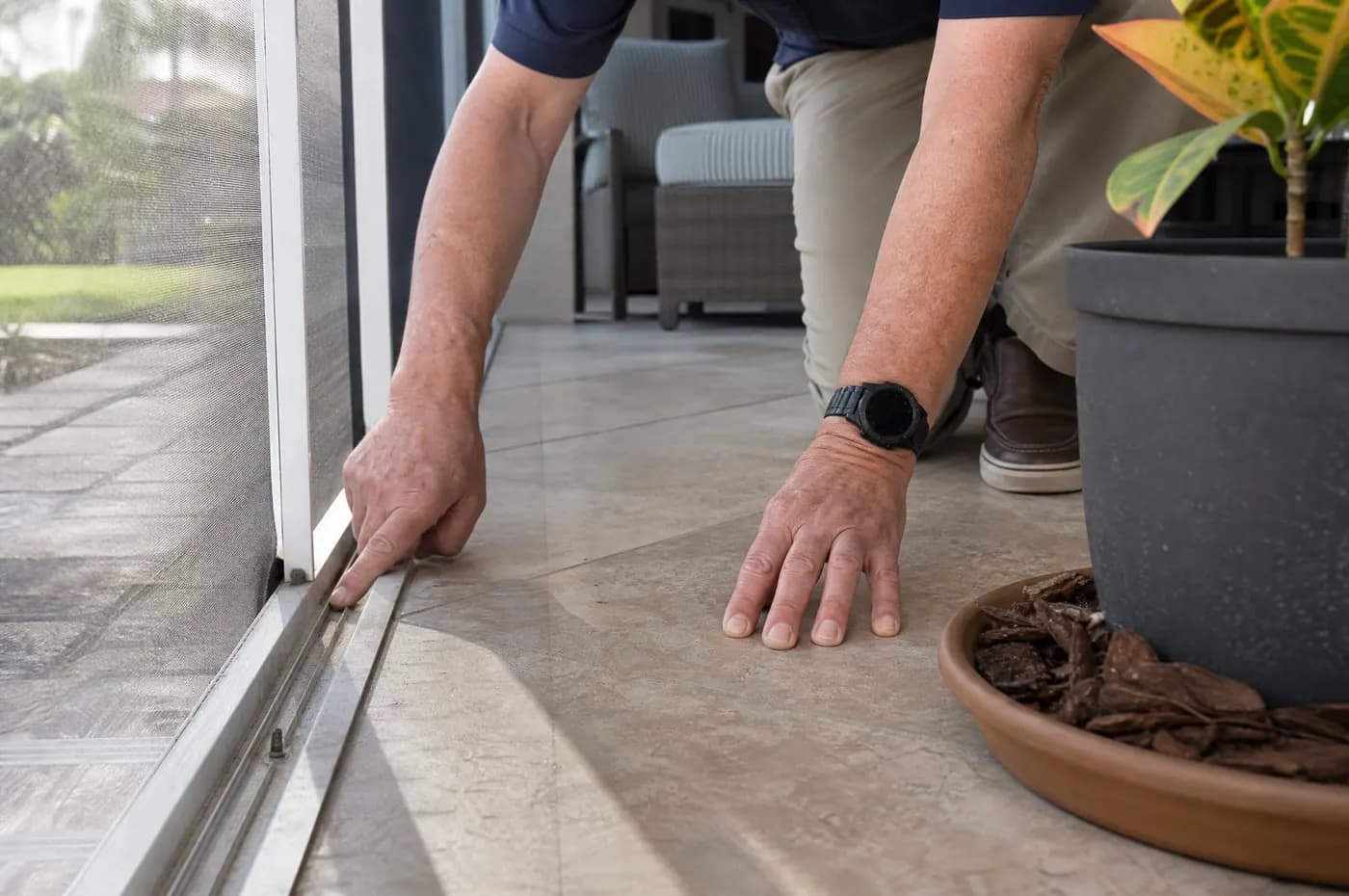
- Door sweeps, garage seals and sliding-door tracks.
- Sink cabinets, dishwasher edges and utility penetrations.
- Attic vents, roof returns, soffit seams and palm-to-roof contact.
- Plant saucers, bromeliads, gutters, tarps and irrigation boxes.
- Window sills and screens where wings or small insects collect.

Take a photograph, record the weather and save the date of each sighting. That small log helps separate a seasonal visitor from a colony and gives an inspector something more useful than a description of a bug that was already vacuumed away.
Frequently asked questions
Outdoor cockroaches, small household ants, mosquitoes and termites are common observations, with roof rats and moisture-loving insects also appearing around some homes. The species, season, building type and nearby landscaping matter more than a generic Florida pest list.
Check door sweeps, plumbing penetrations, attic vents, roof returns, gutters, plant saucers, bromeliads and irrigation boxes. Record droppings, wings, trails and biting locations. These details show whether the issue is an entry route, a breeding site or a yard source.
Start with an inspection and ordinary exclusion work. A blanket application can obscure evidence and does not address a roof gap, a wet planter or a colony inside an appliance. Treatment is more useful when the pest and its route are known.
Still dealing with it?
Cockroach Control across Broward County, FL, backed by a 30-day guarantee.
Book online in a few minutes and a Broward tech calls you back with your exact price (Mon–Fri 9am–5pm) — before any work starts.
Book a new-home inspectionKeep reading
Palmetto Bug vs Cockroach: What South Florida Homeowners Are Actually Seeing
A palmetto bug is a cockroach — here's which one, how to tell it from the kitchen roach, whether they fly, and what each one means for your home.
Ghost Ants: The Tiny Kitchen Invader You Can't Kill With Spray
Ghost ants are the #1 kitchen ant in South Florida. What they look like, why spraying multiplies them, and what actually ends the colony.
Termite Swarm Season in South Florida: A Month-by-Month Guide by Species
Broward's swarm season starts weeks before the rest of Florida. Which species flies when, how to tell a swarmer from a flying ant, and what it means.