
Cockroaches · Broward County, FL
Does Advion Actually Work? What the Pros Use and Why It Still Fails
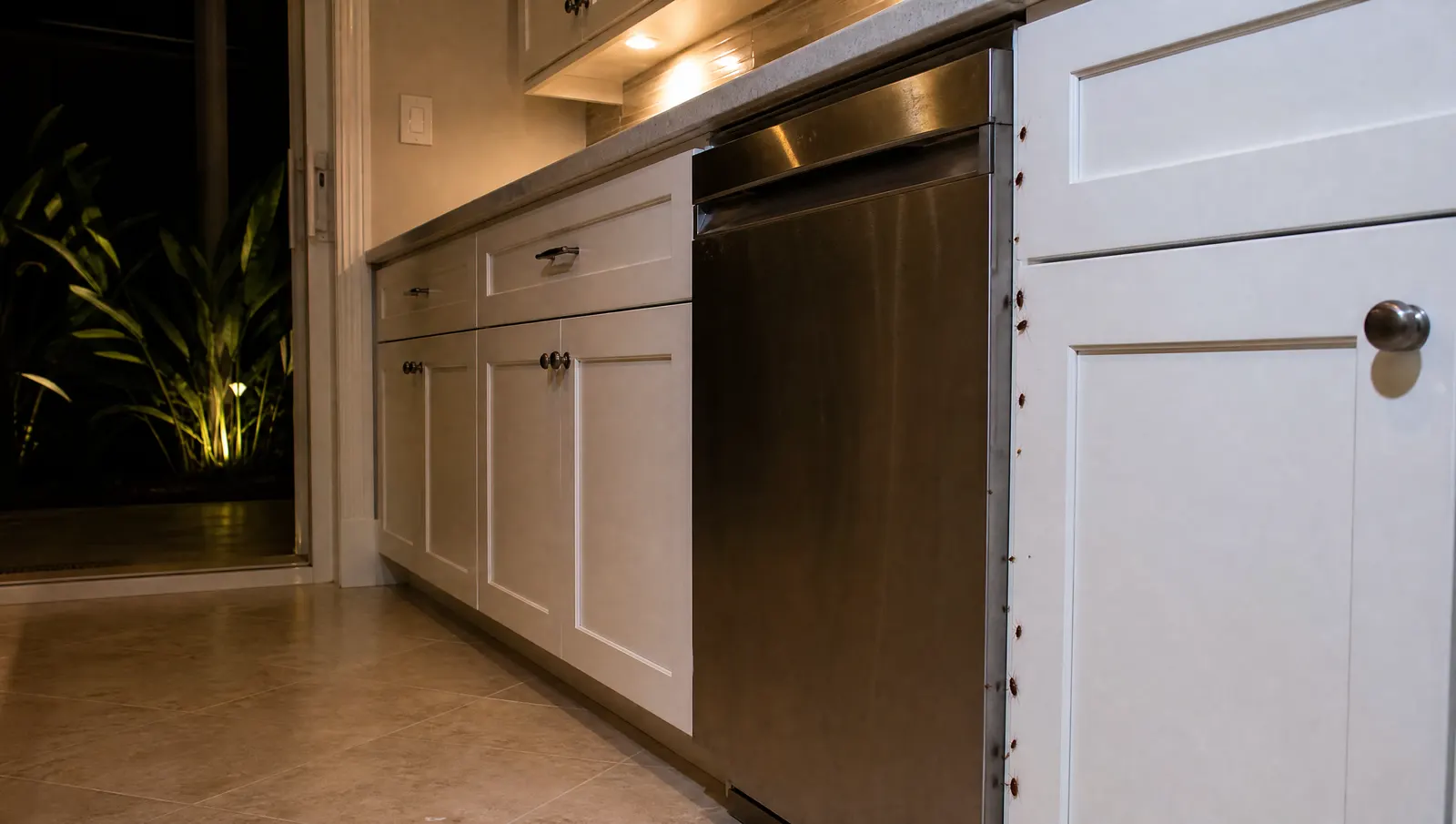
The short answer
Advion can work on cockroaches when the species accepts the bait and it is placed along active routes, but the product is not a complete plan. A German-roach colony may need several placements, sanitation changes, an insect growth regulator and follow-up. Outdoor roaches require entry and moisture work too.
The honest answer is yes, Advion can work on the right cockroach in the right place. The less comfortable answer is that a product name is not a treatment plan. A bait can be fresh and correctly formulated while the colony survives because the species rejects it, the placement is off the route, or another food source is easier to reach.
The honest short answer
Gel bait is useful because a foraging cockroach can carry food back into a protected harborage. That makes it different from a surface spray that mainly affects insects contacting the treated area. It still has limits: bait cannot seal a door gap, dry a leaking cabinet, remove an untreated neighboring source or make an outdoor American cockroach behave like a German cockroach.
Why gel bait works
Cockroaches spend much of their time in narrow, dark places. They move along edges, behind appliances, through cabinet hinges and around plumbing. Small bait placements in those routes can be found by the insects without covering an open floor with product.
The objective is not to make the kitchen smell like bait. It is to put a fresh, label-directed food source where the identified roach already travels. A technician starts with droppings, body size, nymphs, moisture and time of day, then chooses protected placement points.
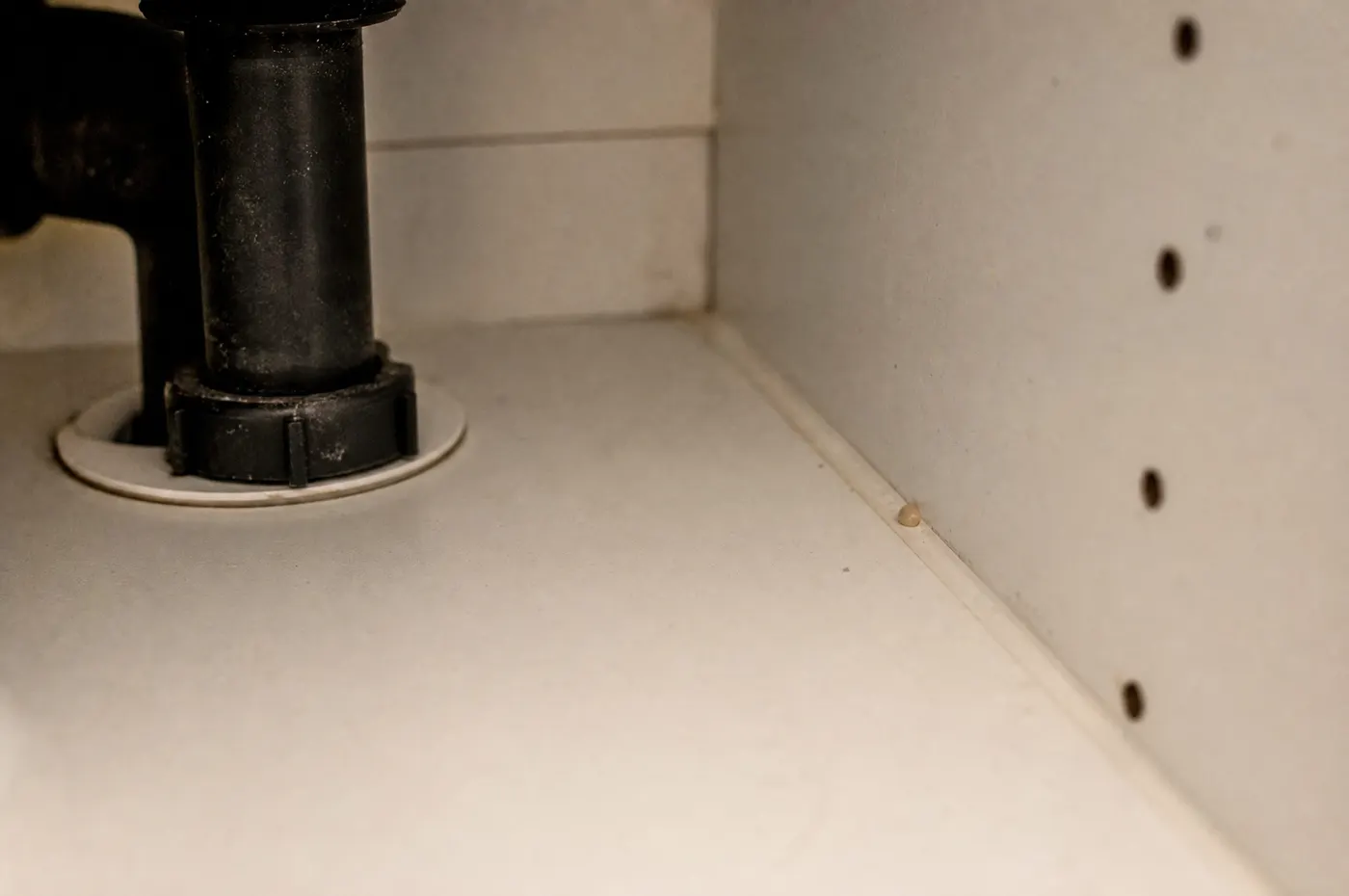
Why it still fails
There are several predictable failure patterns:
- The wrong species. A large roach entering from a drain may need perimeter, moisture and exclusion work. A German colony inside an appliance is a different job.
- The bait is off-route. A station on a clean counter is less useful than a small placement beside the cabinet seam where the droppings are.
- Competing food wins. Grease, crumbs, pet food, leaks and an overflowing recycling bin can give a colony easier options.
- Repellent spray contaminates the route. A roach may avoid the area or be pushed deeper into a wall or appliance.
- The source is shared. In a condo, activity can continue through a plumbing chase or neighboring unit after one cabinet is treated.
The common thread is not that the bait is fake. It is that the insect, route or building was misread.
What professional placement adds
Professional work adds diagnosis and observation. The technician looks for small nymphs, egg cases, droppings and the warmest protected spaces. The plan may include an insect growth regulator, but that choice depends on the label, the pest and the site. It may also include correcting condensation, repairing a leak, closing a gap or coordinating with a property manager.
Source names matter here because the label is the authority for an application. The EPA registration label, not a social-media demonstration, controls where a product can be used and what directions apply.
When to stop adding more bait
More is not automatically better. If activity is appearing in new rooms, workers are avoiding placements or sightings continue after the food and water conditions change, pause and reassess the species and route. Take photographs, save a specimen when practical and record where and when each sighting occurs.
Advion is a tool that can fit a cockroach plan. It is not evidence that the source has been reached by itself. For a Broward home, the useful sequence is identification, targeted placement, monitoring and a follow-up decision based on what the insects actually do.
Frequently asked questions
It can, when the bait is fresh, accepted and placed where German roaches actually travel. A colony hidden in appliances or wall voids can outlast a few visible placements, so species identification, inspection and follow-up matter as much as the product name.
Activity can continue while roaches feed and carry material back to the harborages, or because the bait is not on the active route. Competing food, repellent spray, moisture and an untreated neighboring source can all make a good baiting plan look ineffective.
Do not layer products casually. Some repellent sprays can contaminate a bait placement or push roaches away from the route you need them to use. Read the label and coordinate products with the person responsible for the treatment plan.
They identify the roach first, map droppings and harborages, use small placements in protected cracks and monitor whether activity changes. The plan may also address moisture, entry points and immature roaches rather than relying on one visible application.
Still dealing with it?
Cockroach Control across Broward County, FL, backed by a 30-day guarantee.
Book online in a few minutes and a Broward tech calls you back with your exact price (Mon–Fri 9am–5pm) — before any work starts.
Get rid of cockroaches todayKeep reading
Why You Keep Seeing Roaches After You Spray
Spray can kill the roaches you see without reaching the colony behind the wall. Learn why activity returns, what evidence matters, and what to change next.
9 Mistakes People Make With Roach Bait, Traps and Boric Acid
Bait, traps and boric acid can fail when the placement fights roach behavior. Here are nine common mistakes and the more useful move for each.
German Roaches: Why the Small Ones Are the Serious Problem
Small tan roaches in a kitchen are often German cockroaches. Learn the visual signs, where they hide, why daytime sightings matter, and what not to spray.