
Ants · Broward County, FL
Why Ants Invade Your House After It Rains in Florida
The short answer
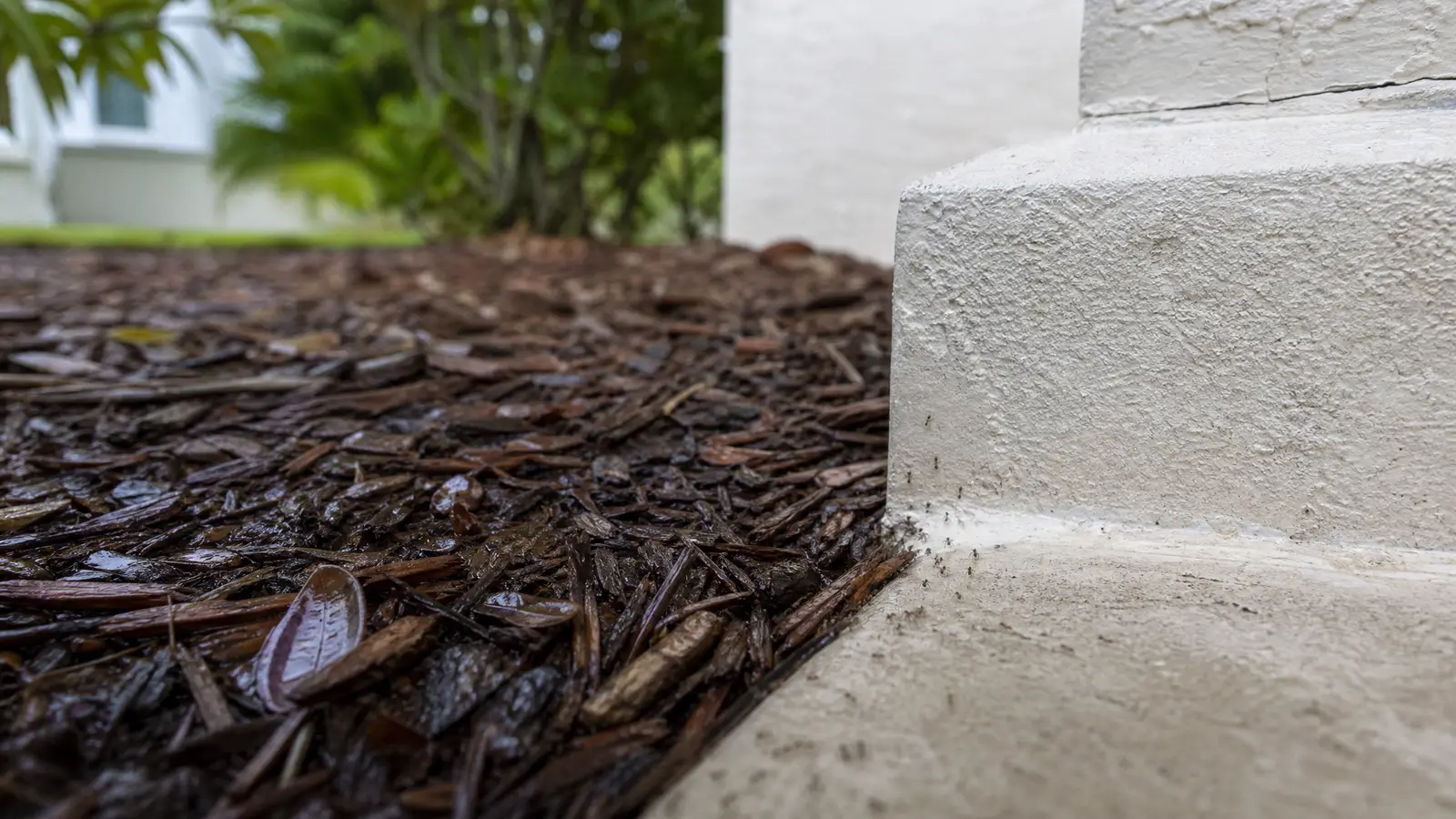
Ants enter Florida homes after rain because saturated soil, flooded cavities and disturbed trails push colonies toward higher, drier shelter. Activity often becomes noticeable within the next day. Check door thresholds, plumbing gaps, wall edges and landscape debris, then identify the species before applying repellent spray.
Rain changes the ground beneath a Florida home. Shallow nests flood, soil routes collapse and colonies look for higher, drier shelter. That is why ant trails can appear at a door or sink during a storm and be most visible during the following day, even when the kitchen was clean the night before.
What rain does to a colony
Water can force workers out of low soil, leaf litter, mulch, plant pots and other shallow spaces. The new route may lead to a wall, cabinet, garage or covered patio. Different species respond differently, so rain explains timing but not identity.
The 24-hour pattern
Many homeowners notice activity during the storm or within the next day. Write down the rain time, first room, direction and whether the trail disappears after the surface dries. A repeated weather-linked pattern can reveal an exterior route that a one-time indoor sighting would hide.
Five routes to check
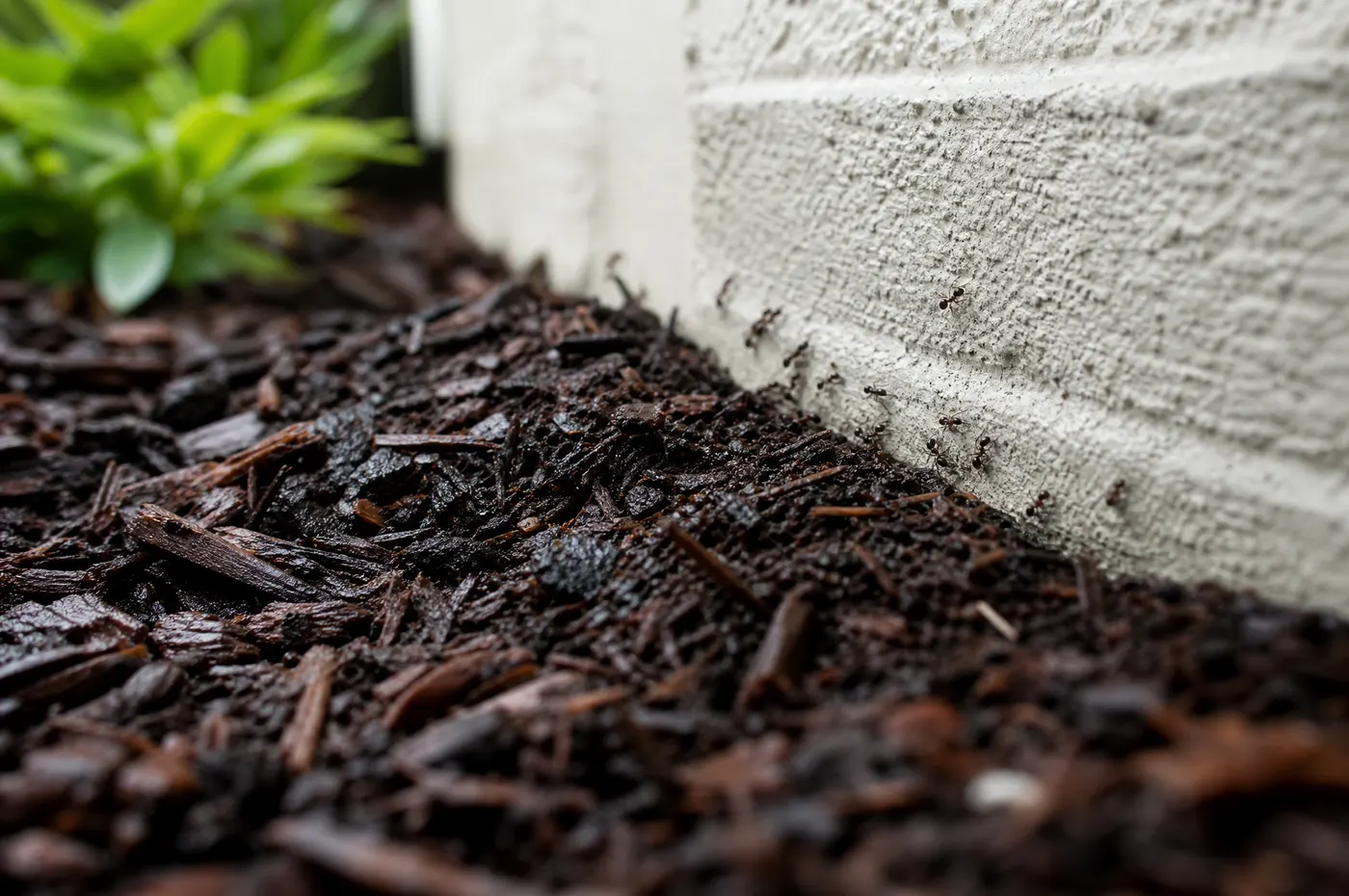
Check door thresholds, garage seals, plumbing penetrations, window tracks and wall edges. Outside, inspect mulch, irrigation boxes, fallen fruit, potted plants and branches touching the structure. Do not kneel beside an active mound; observe from a safe distance and photograph the route.
Why flying ants are different
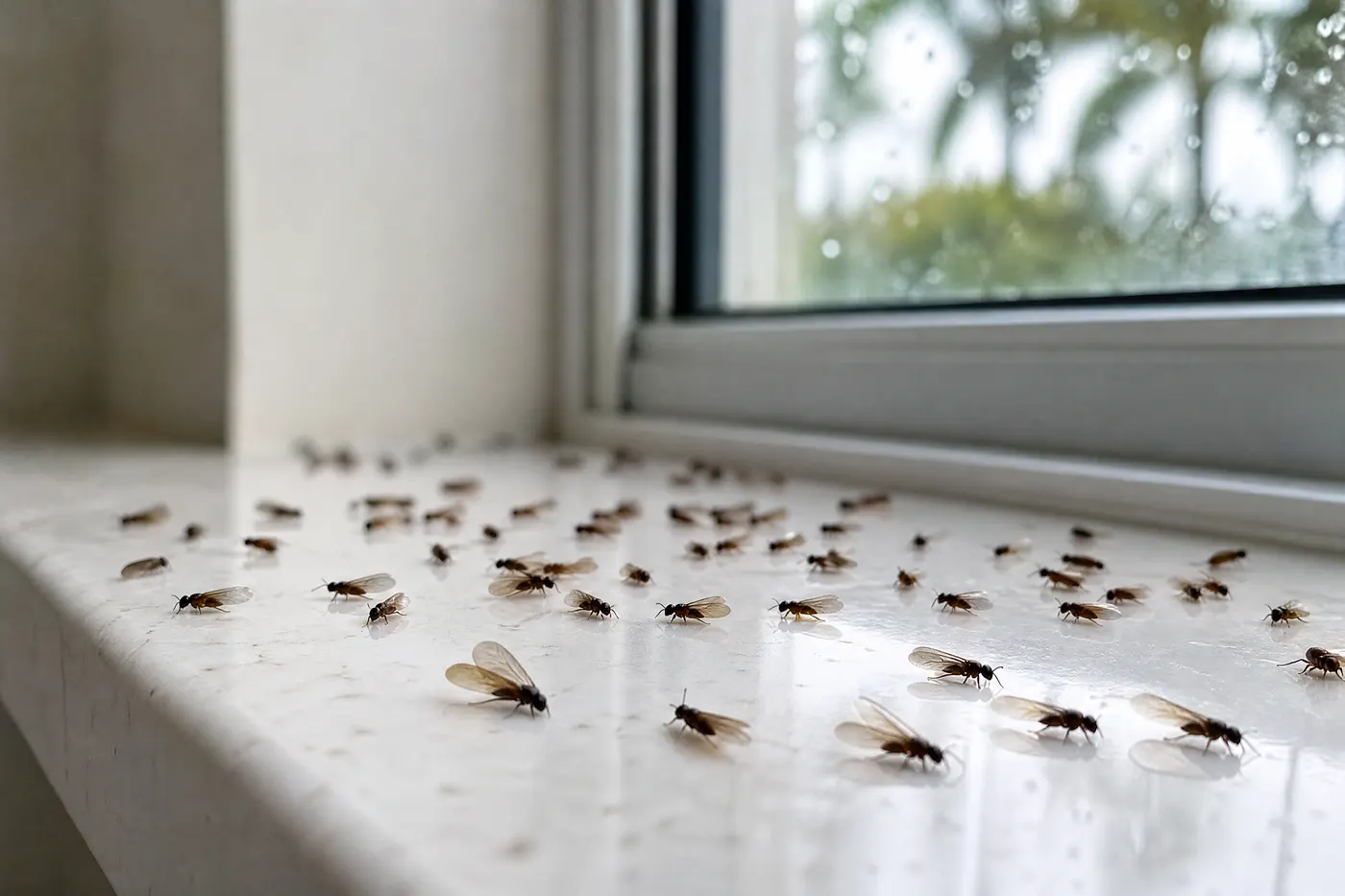
Warm wet weather can also precede winged-ant activity, but that does not make every flying insect a termite. Compare waist shape, antennae and wing lengths. Save a specimen if practical. A storm is a timing clue, not a species result.
What to do after the storm
Protect food, dry obvious water and leave the route visible long enough to map it. Avoid covering the trail with repellent spray, especially when tiny ants are involved. Record whether activity branches, moves to a bathroom or continues after the yard dries. That pattern tells an inspector whether the source is an outdoor nest, a wall route or moisture inside the home.
UF/IFAS Extension treats weather as context rather than a species diagnosis. That distinction is useful after a tropical storm: preserve the timeline, inspect raised routes and do not assume every winged insect is a termite. A short weather log can explain why a previously quiet entry becomes visible.
Frequently asked questions
Rain can flood shallow nests, collapse soil routes and change the moisture gradient around a home. Workers seek higher or drier shelter and may use door gaps, plumbing openings, wall edges and roof or landscape connections.
Many homeowners notice trails during the storm or within the following day, but the timing varies with the species and the amount of water. A dated note connecting weather and activity can help reveal a recurring route.
Not automatically. Ants and termites can both swarm in warm weather. Compare the waist, antennae and wing lengths, and save a specimen if possible instead of identifying the insect from a fast-moving silhouette.
Still dealing with it?
Ant Control across Broward County, FL, backed by a 30-day guarantee.
Book online in a few minutes and a Broward tech calls you back with your exact price (Mon–Fri 9am–5pm) — before any work starts.
Get rid of ants todayKeep reading
Carpenter Ants vs Termites: 5 Ways to Tell What You Have
Carpenter ants and termites can both show up around damaged wood. Compare waist, antennae, wings, frass and damage patterns before deciding what to do.
How to Get Rid of Ants in Florida: The Complete Guide
A Florida guide to ant identification, trails, moisture, baiting, budding species, carpenter ants and outdoor mound treatment.
Ants All Over Your Kitchen Counter? Here’s Where They’re Coming From
Trace kitchen ant trails to plumbing, windows, cabinets, appliances and potted plants, then separate food pressure from the actual nest.