
Mosquitoes · Broward County, FL
Where Mosquitoes Actually Breed in a South Florida Yard
The short answer
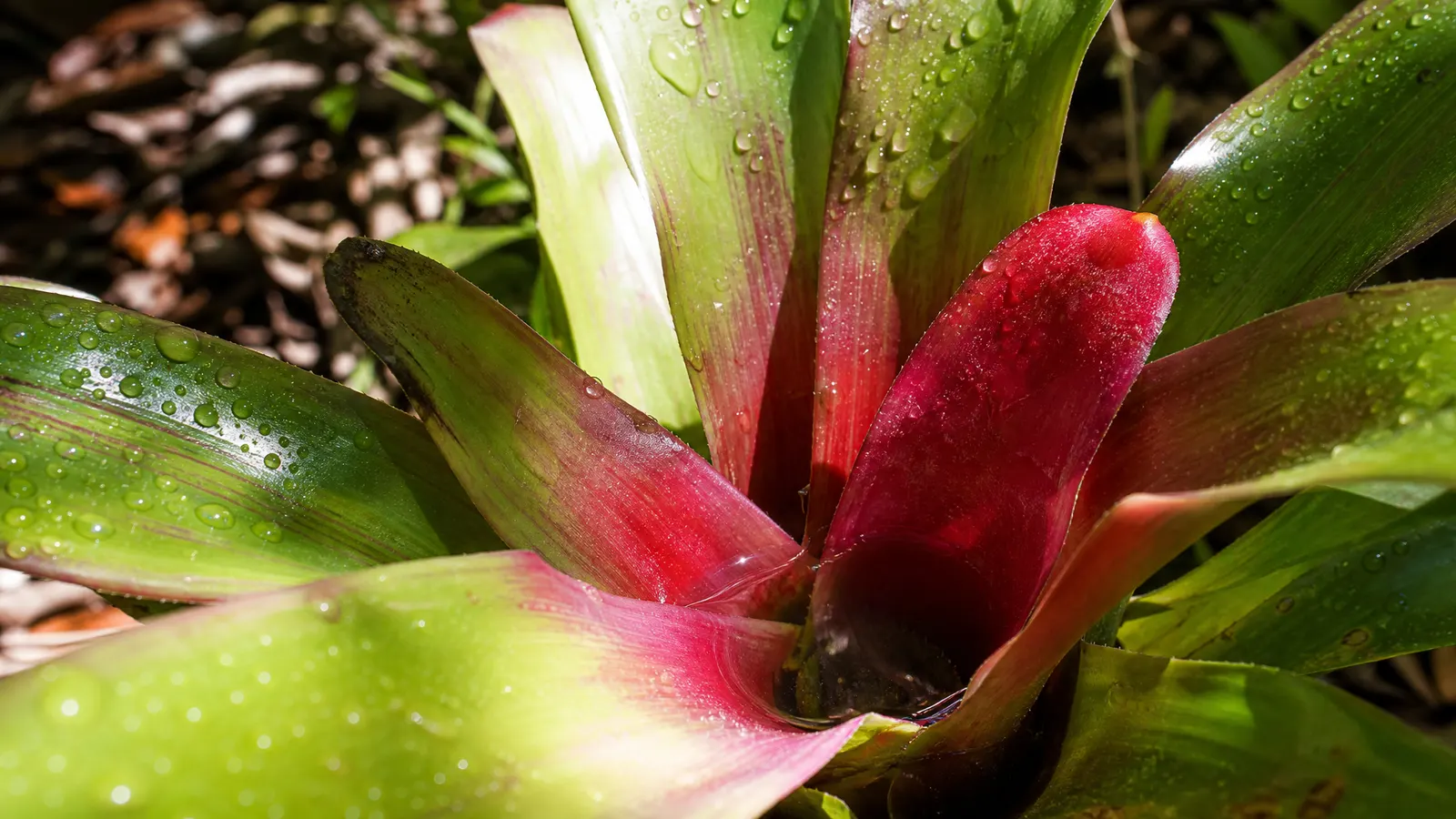
Not in the lake behind the house. The mosquitoes biting you breed in small artificial water: plant saucers, clogged gutters, tarps, irrigation boxes, and in South Florida especially bromeliads and palm boots, which hold water in their leaf axils and almost never get checked.
You have done the obvious things. Nothing is sitting out, the lawn is cut, and you still cannot stand on your own patio at five in the afternoon. So you look at the lake behind the house and decide that must be where they are coming from. Almost every time, it isn't.
It is not the lake
A lake, a canal or a retention pond is open water: fish, dragonfly larvae and other things that eat mosquito larvae for a living, plus wind moving the surface all day. That is genuinely poor habitat for the mosquitoes biting you in a backyard.
The species behind most of the daytime biting in urban South Florida is Aedes aegypti, a container breeder. It wants small, still, protected water — sitting inside something with walls, out of the wind, usually shaded, usually with a little organic debris in it. A lake is the opposite on every count.
Bigger water is not always innocent. Culex mosquitoes, the ones that swarm a porch light at dusk, will use genuinely stagnant water — a neglected pool, a blocked drain, an ornamental pond with no circulation. But the variable is stagnation, not size.
The consequence is the part worth keeping. Aedes aegypti rarely flies more than about 200 yards in its whole life, so if it is biting you on the patio it developed within a couple hundred yards of that patio. Your property, or the one beside it.
The containers people miss
Nobody misses the bird bath. It is obvious, it exists to hold water, and anyone who owns one already knows it needs changing.
What gets missed is everything that holds water by accident. A container breeder does not need a pond and does not need much — a bottle cap's worth is enough for some species. Once the threshold is that low, the list of qualifying objects in an ordinary yard gets long, and almost none of them look like standing water.
The usual suspects, in rough order of how often they turn out to be the source:
- Plant saucers, indoors and out. The most common one by a wide margin, and the one people slide aside rather than empty.
- The fold in a tarp over patio furniture, a woodpile or a boat, and the same fold in a pool or grill cover.
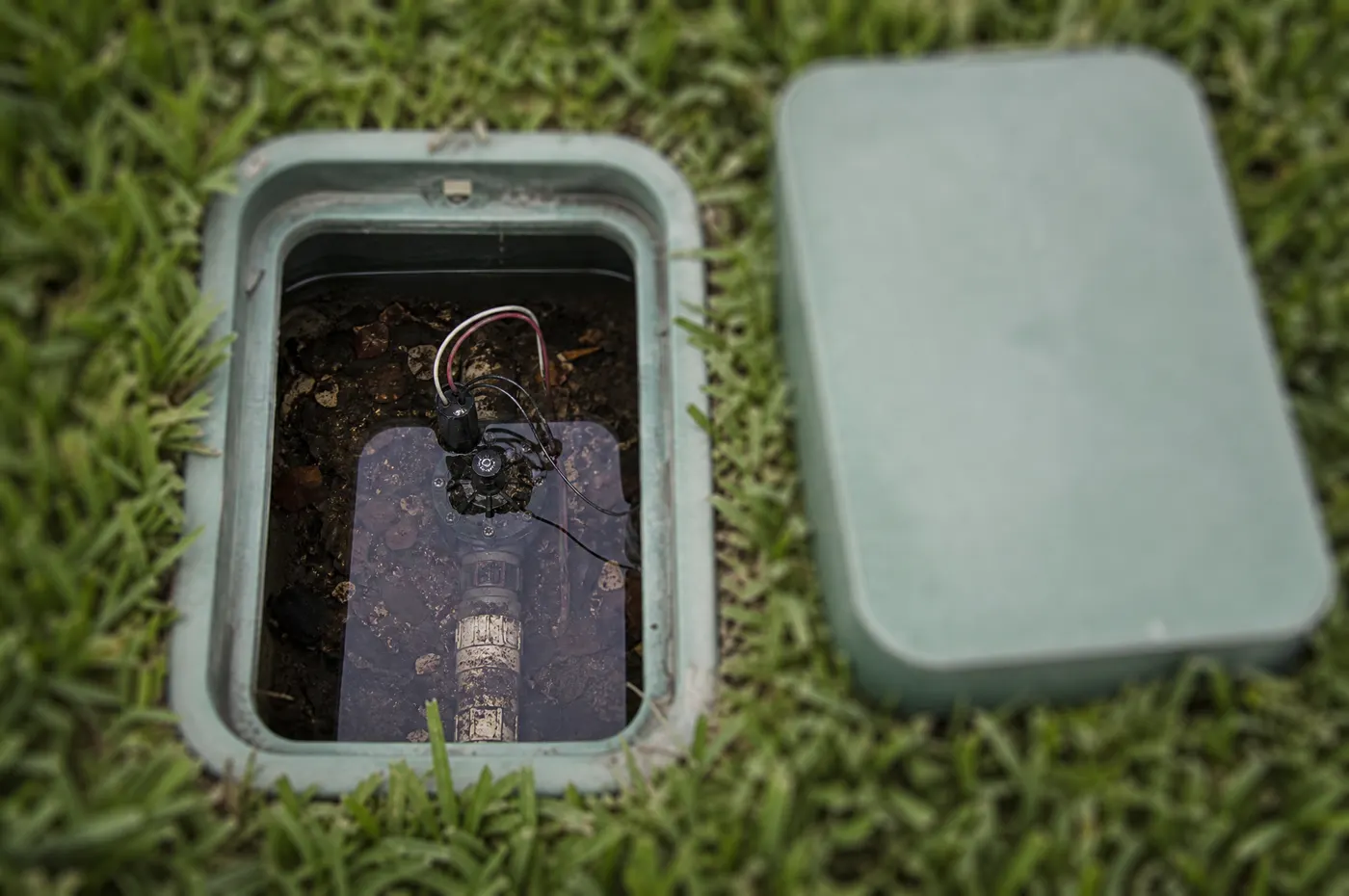
- Irrigation valve boxes. Lift one of those green lids and there is very often two inches of water and sediment in the bottom.
- Gutter joints and low runs, where a seam has settled or a section sags and no longer drains.
- The tray under an AC condenser, and the pan under a garage water heater.
- Upturned lids — trash can, recycling bin, storage tote, or a loose lid lying face-up beside the shed.
- Kids' toys left in the grass: a sand bucket, a wagon bed, the inside of a slide, a plastic playhouse roof.
- Corrugated downspout extensions, which hold water in every ridge along their length.
- Stored tires, and the wheel wells on a boat or utility trailer.
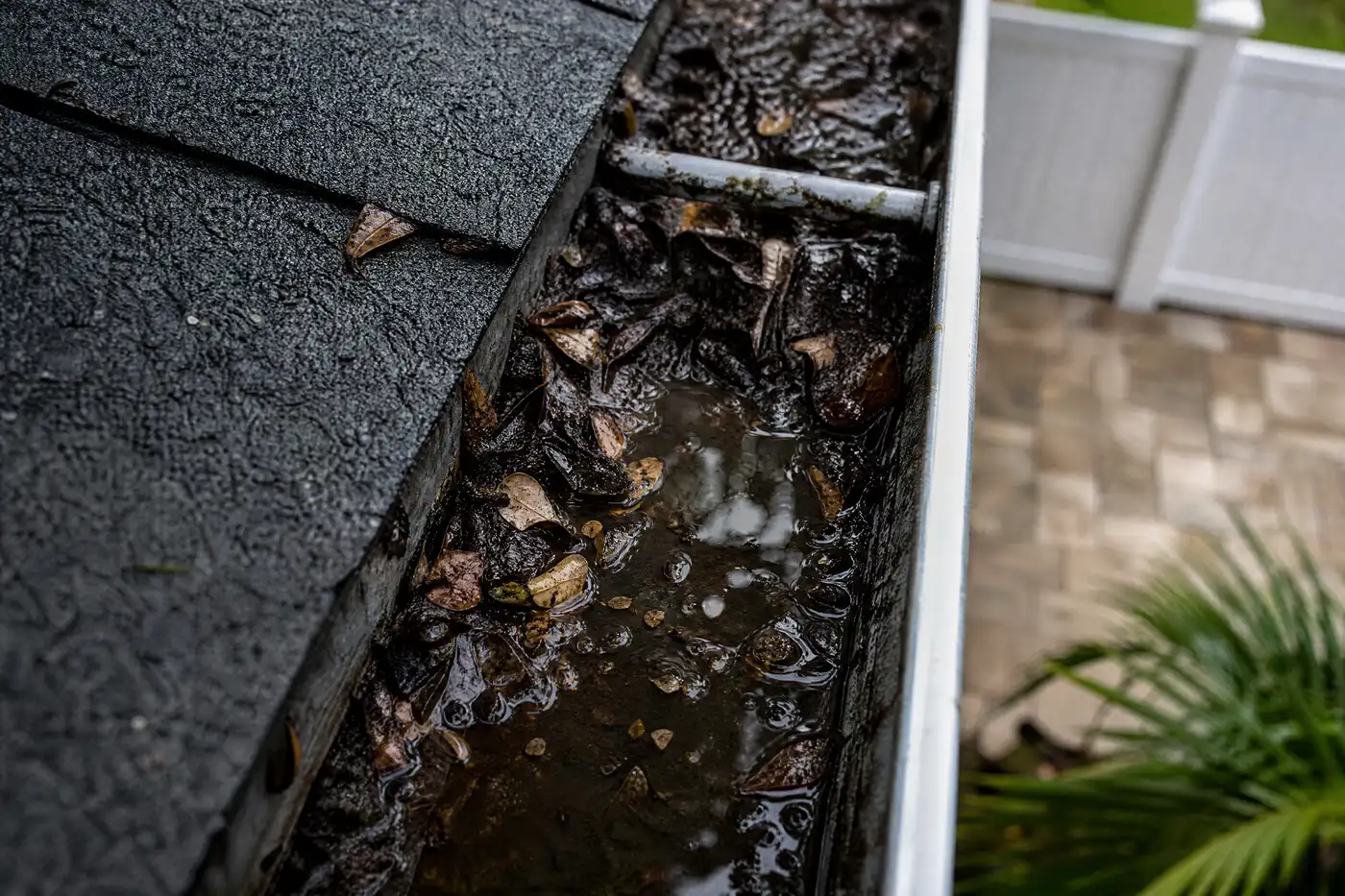
The pattern is easy to hold in your head: small, still, shaded, walled, with some organic material in it. When someone says the yard is dry, they are describing the lawn.
Bromeliads and palm boots
Two deserve their own section. They are specific to how South Florida yards get planted, and neither reads as a container to the person walking past it every day.
Bromeliads
A bromeliad holds water in the cups formed where its stiff leaves meet — the leaf axils. That is not a defect; it is how the plant drinks. It is also exactly the small protected reservoir container-breeding mosquitoes are looking for, and a mature plant with pups around it can be holding water in a dozen separate cups at once.
The advice online is often to pull them out. Homeowners are right to ignore that — bromeliads are a signature South Florida landscape plant, and nobody rips out a mature bed because of a blog post.
The version that works is flushing. Put a hose into the center cup and let it run over, then do the same on the outer cups and the pups. The overflow carries the larvae out with it and the plant is fine. Through the wet season it is a weekly job, and a few minutes covers a whole bed once you know the route.
Palm boots
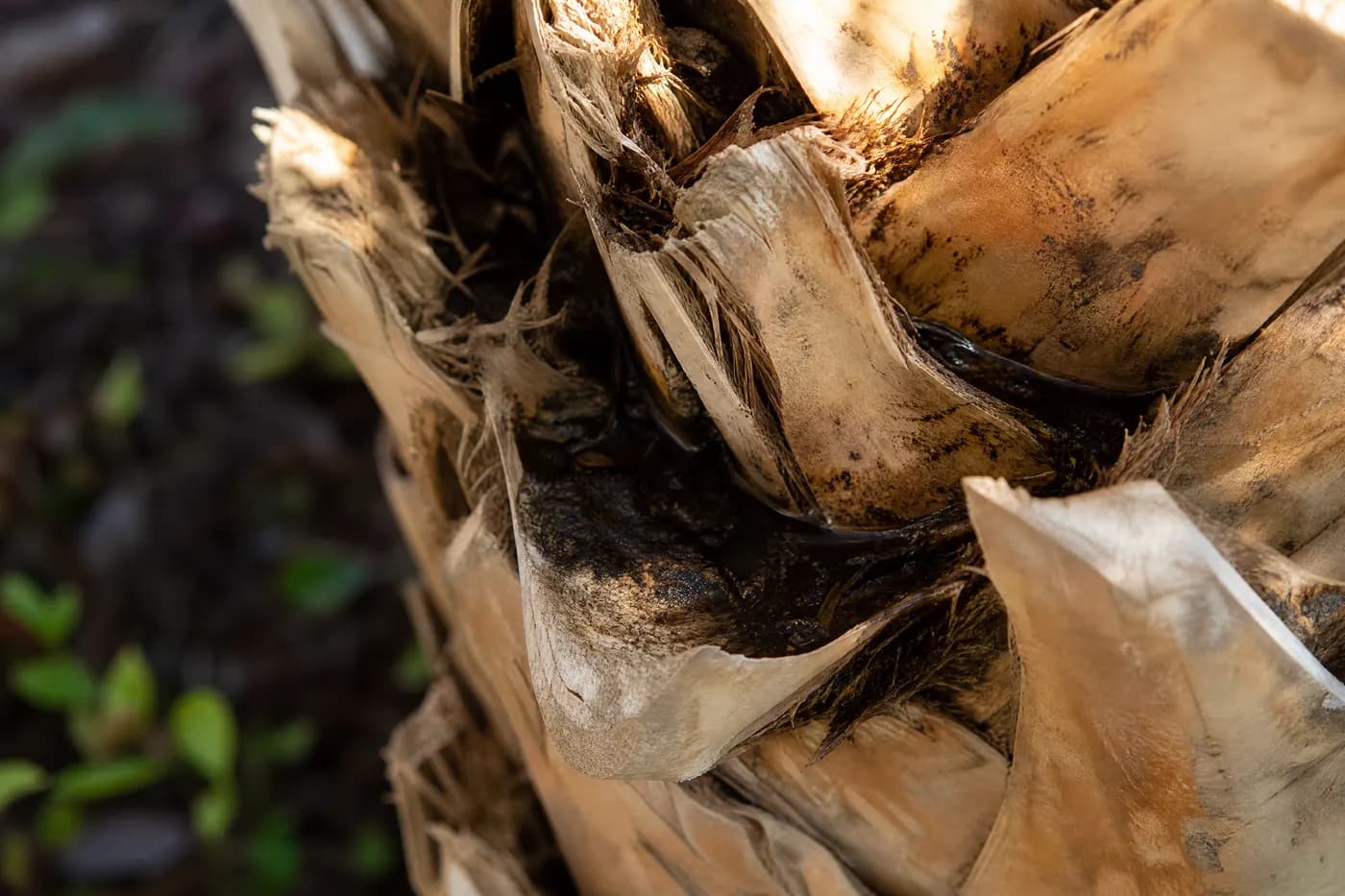
Palm boots are the fibrous cut frond bases left clinging to the trunk after a trim. The crevices behind them collect rainwater and organic debris and hold both, sitting in shade against the trunk where nothing disturbs them.
Nobody checks them. They are above eye level, they look dry from the ground, and they read as part of the tree. Hose them out when you flush the bromeliads, and have the boots cleared next time a crew is up there for a routine trim.
Why dumping it once doesn't work
People do the tip-and-toss walk, feel good about it, and get bitten on the same patio a week later. There are three reasons, and only one of them is about effort.
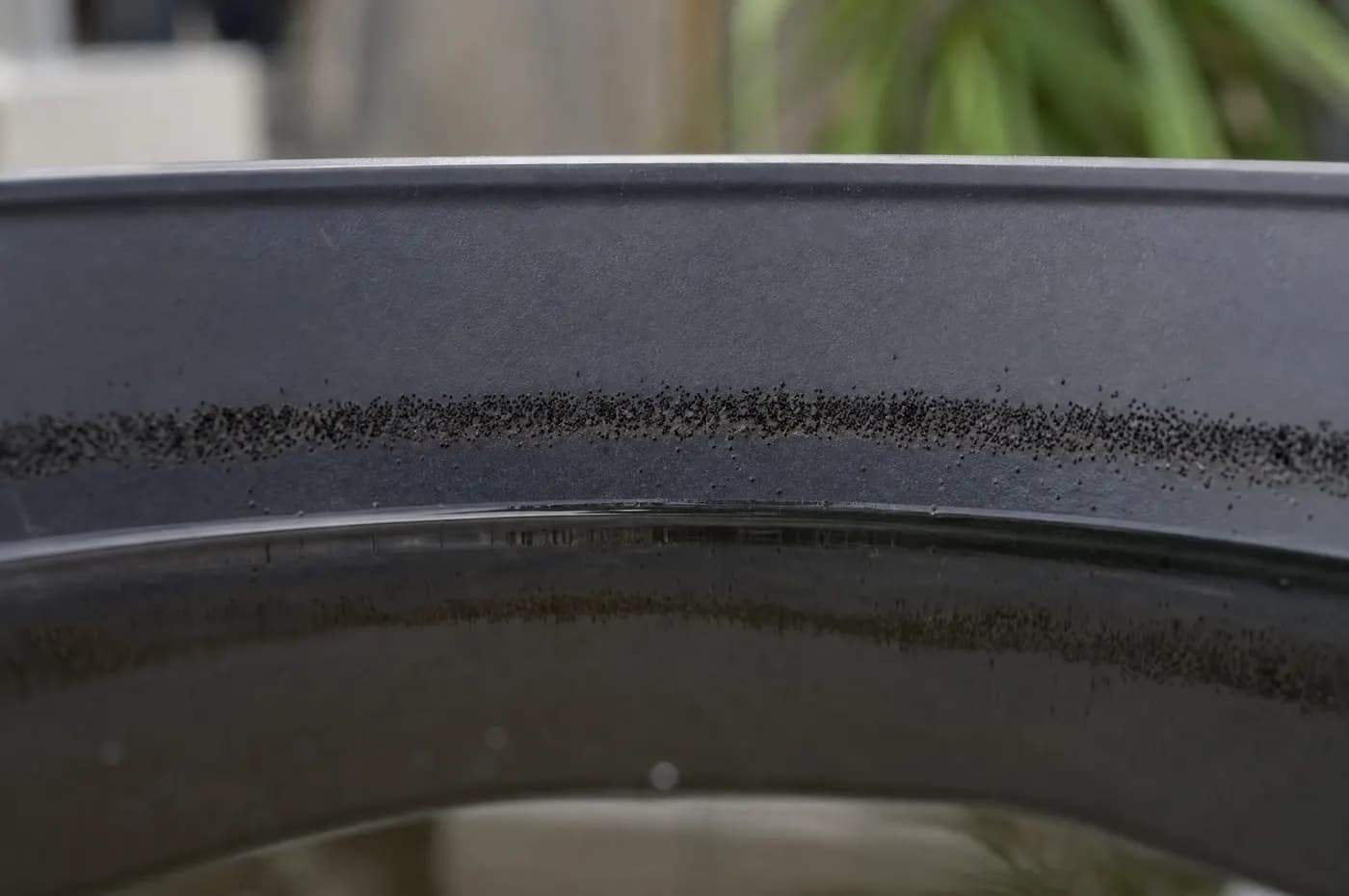
The eggs are still in the container. Aedes females do not lay on the water. They lay on the container wall just above the waterline, and those eggs survive drying out — they sit on dry plastic for months and hatch when water returns. So tipping a saucer removes the water and the larvae and leaves the next generation glued to the sides. That is why the standard advice underperforms. Scrubbing the inside surface is what removes them, and it is ten seconds per container with a stiff brush.
The rain resets everything. In the wet season a yard you clear on Saturday can be back in production by Wednesday. Nothing failed — the containers you could not remove simply refilled, and a week of afternoon storms is plenty of time. This is a repeating loop, not a one-time cleanup.
Some of the water isn't yours. Within that 200-yard radius, a neighbor's untouched side yard genuinely contributes to what you live with, and you cannot treat their property. Removing your own sources and treating the shaded vegetation where adults rest still cuts the population on your side of the fence, even when theirs stays exactly as it is.
For water that genuinely cannot be removed — a low spot that ponds after every storm, a low spot that never drains, an ornamental feature — larvicides are the product category built for it. They work on larvae in the water rather than adults in the air.
A ten-minute walk-through
Do this in daylight, with a bucket and a stiff brush, and walk in one direction so you don't double back and skip things. The order follows how most South Florida properties are laid out.
- The front step. Saucers under the pots by the door, the umbrella stand, and any decorative pot with no drainage hole.
- The driveway and front beds. Turn over anything face-up: the recycling bin lid and its rim, the trash can if the lid is missing, any bucket or tray left against the garage.
- The irrigation valve boxes. Lift every green lid in the front lawn — the most overlooked spot on a typical Broward property.
- Down the side yard. A coiled hose holds water in its loops. Check under a dripping hose bib, the stacked pots (the bottom one is holding), the wheelbarrow, the cooler, and any ladder lying flat.
- The garage or shed doorway. The pan under the water heater, the mop bucket, the paint tray nobody put away.
- The AC condenser pad. The tray beneath the unit, and the wet patch the condensate line drips into all day.
- The back lawn and fence line. Kids' toys, the dog bowl, the sandbox lid, the tarp over the woodpile, the boat or trailer cover, stored tires, and the low corner still puddled two days after a storm.
- The pool and water feature. Puddles standing on the cover, the skimmer lid, floating toys left in the grass, and the bird bath.
- The plantings. Flush every bromeliad cup until it overflows, then hose out the palm boots and any tree crotch or hollow that looks like it holds.
- The patio and screen enclosure. Every planter saucer, the umbrella base, the fire pit bowl, the drip pan under the grill, and the bottom track of the screen door.
- The roofline, last. Look up the gutter run for a sagging section or a settled seam, check the corrugated downspout extension at the bottom, and note where water overflows the edge during the next storm.
Do it carefully once and you will know your own property. After that it is a five-minute loop after heavy rain, and the list of places worth checking barely changes from month to month.
Frequently asked questions
Mostly not the ones biting you. Open water with fish and wave action is poor habitat for container-breeding species like Aedes aegypti. Small, still, protected water on your own property is what produces backyard biting pressure.
They can. Bromeliads hold water in the cups formed where the leaves meet, which is exactly the kind of small protected reservoir container-breeding mosquitoes use. Flushing them regularly with a hose matters more than removing the plant.
Aedes eggs are laid on the container wall just above the waterline and survive drying out. When water returns they hatch. Emptying alone leaves the eggs in place, which is why scrubbing the sides matters as much as tipping it over.
Very little — a bottle cap's worth is enough for some container breeders. The practical implication is that the source is usually something nobody would think of as standing water: a toy, a saucer, a folded tarp, a gutter joint.
It contributes, and you cannot treat it. What you can do is remove the sources on your own property and treat the shaded vegetation where adults rest, which measurably cuts the population you actually live with.
Still dealing with it?
Mosquito Control across Broward County, FL, backed by a free re-treatment if the knockdown doesn't hold.
Book online in a few minutes and a Broward tech calls you back with your exact price (Mon–Fri 9am–5pm) — before any work starts.
Take your backyard back todayKeep reading
Mosquitoes Biting You in Broad Daylight? That's Aedes aegypti
The dusk-and-dawn advice describes Culex, not the daytime biter that dominates urban South Florida. How to tell them apart and why the source is close.
What Broward County Mosquito Control Will and Won't Do for You
The county treats standing water and sprays when surveillance warrants, free, on request. What it won't touch — and where its job ends and yours begins.