
Mosquitoes · Broward County, FL
What Broward County Mosquito Control Will and Won't Do for You
The short answer
Broward County Mosquito Control offers inspections, standing-water treatment and truck spraying when surveillance criteria are met, free of charge, requested through the county's online form or 311. You may only request service for your own property, and the county explicitly does not treat no-see-ums, sand flies or drain flies.
Broward County will send an inspector to your property, treat the water your mosquitoes are hatching out of, and run a spray truck down your street, and it will not bill you for any of it. What it will not do is the part people learn the hard way — after a week of waiting for a truck, or after describing something that bites through a window screen and being told it is not a county pest. Knowing where that line sits explains most of what is maddening about mosquitoes here.
What the county actually does
Broward County Mosquito Control is a public-health program, not a yard service, and its service list is worth reading literally.
Five things, all at no charge to residents:
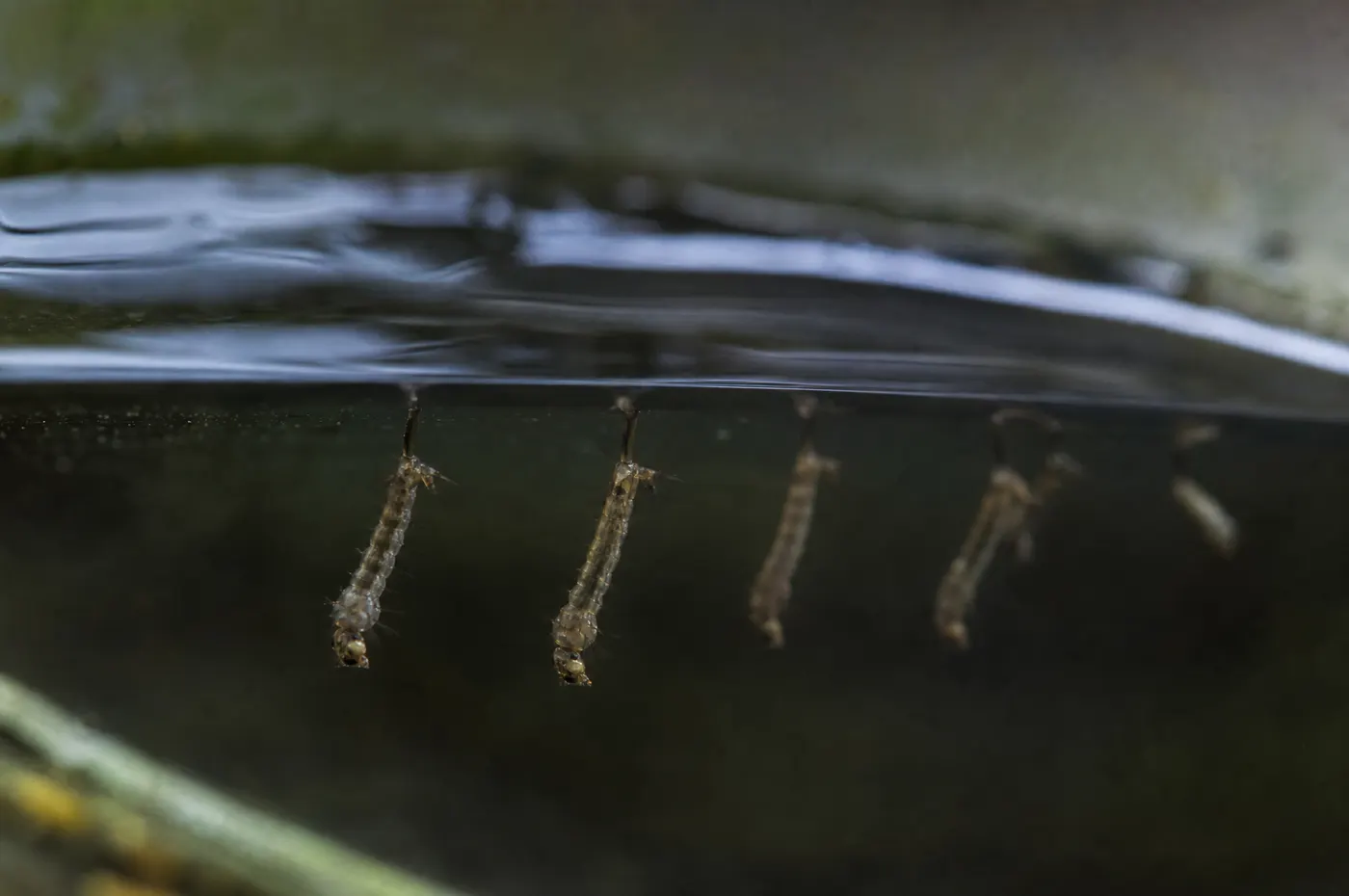
- Inspections. An inspector looks for production — the water larvae are developing in, not the adults you are swatting.
- Standing-water treatment. Where they find production, they treat the water itself rather than the air above it.
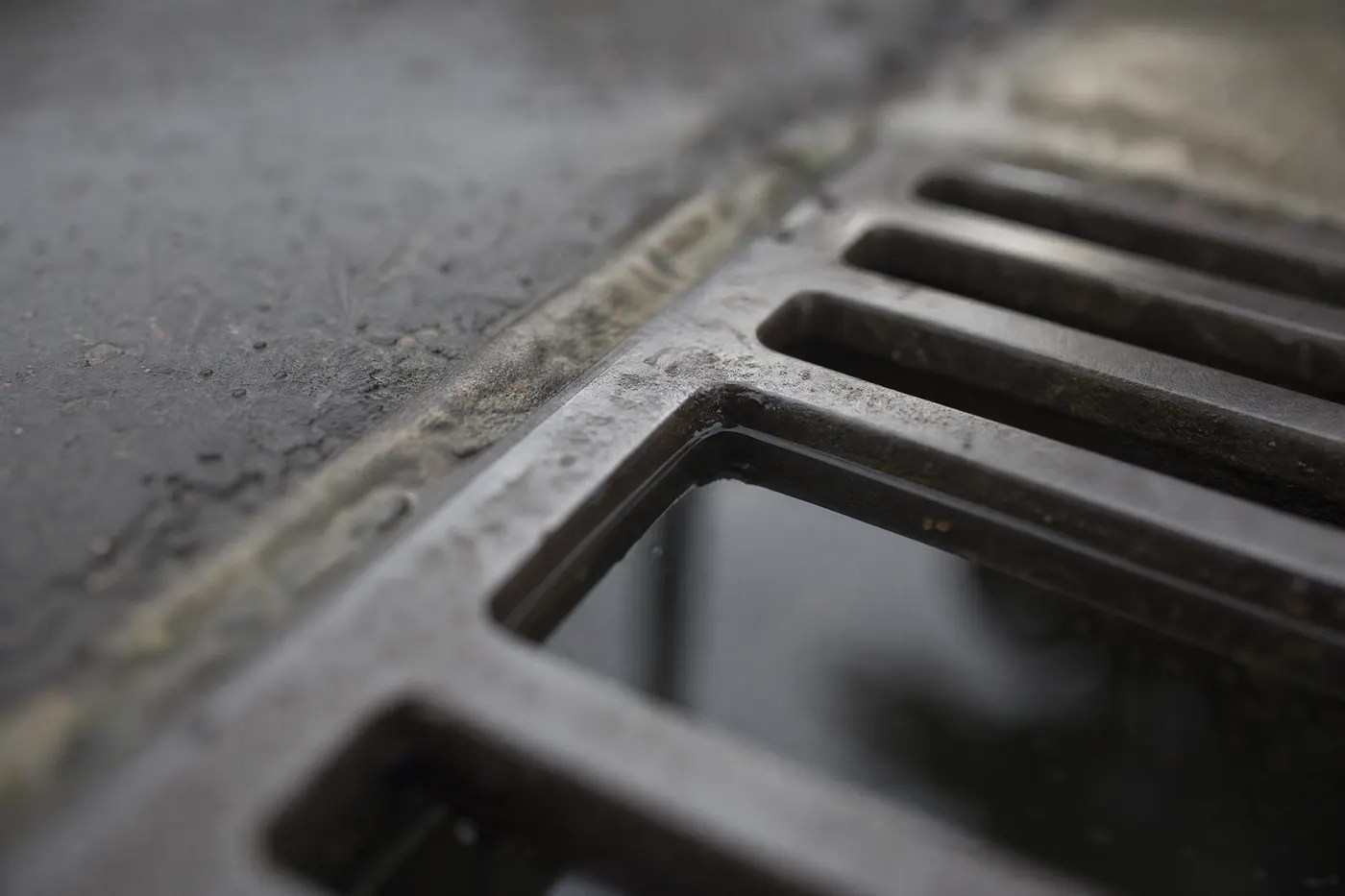
- Storm-drain treatment. Catch basins hold water for weeks after a storm and are dependable Culex production sites — and they are public infrastructure, squarely inside the county's remit.
- Adulticide truck spraying, run when surveillance criteria are met. This is the truck everyone pictures when they hear "mosquito control."
- Education. Materials and guidance on source reduction.
The larvicide they use
For standing water the county uses a Bti larvicide — Bacillus thuringiensis israelensis, a soil bacterium that has been used against mosquito larvae for decades. It goes into the water where larvae are developing, not into the air. That is why a larviciding visit looks like nothing much happened: someone walked the property, found water, treated water, left.
That is the logic of the whole program. Treating larvae in a catch basin is cheaper, longer-lasting and far more precise than chasing adults with a fogger, so larviciding is the everyday work — on foot, in storm drains, and by truck across whole neighborhoods — and adulticide is the exception.
Where the trucks have actually run
County operations are documented across the cities HONEX serves: Hollywood, Miramar, Pembroke Park and West Park in May 2025, and Fort Lauderdale in June 2026, applied between 10pm and 6am. Overnight application is standard for larvicide — truck-mounted Bti applied overnight, when wind is lowest and pollinators are not flying — which is why a pass can happen on your street without a single resident seeing it. Broward has also deployed drone-based spraying for areas a truck cannot reach.
How to request service
Three ways in:
- The county's online service request form
- 311
- 954-831-3940 (TTY for the hearing impaired)
One rule shapes everything that follows: you may only put in a service request for your property.
That is easy to skim past, and it is a large part of why coverage on one street looks so uneven. The request is filed against your address, so one neighbor cannot get the block inspected — everyone requests their own. If the mosquitoes ruining your evenings come out of the neglected pool two doors down, the request has to come from that address, which makes a conversation over the fence more productive than another call to the county.
Two details make the visit more useful: what you are seeing and when — being bitten at 2pm in the shade points an inspector at different water than a cloud at dusk — and any standing water you already know about, like the tarp over the boat or the swale that holds for a week.
What the county will not treat
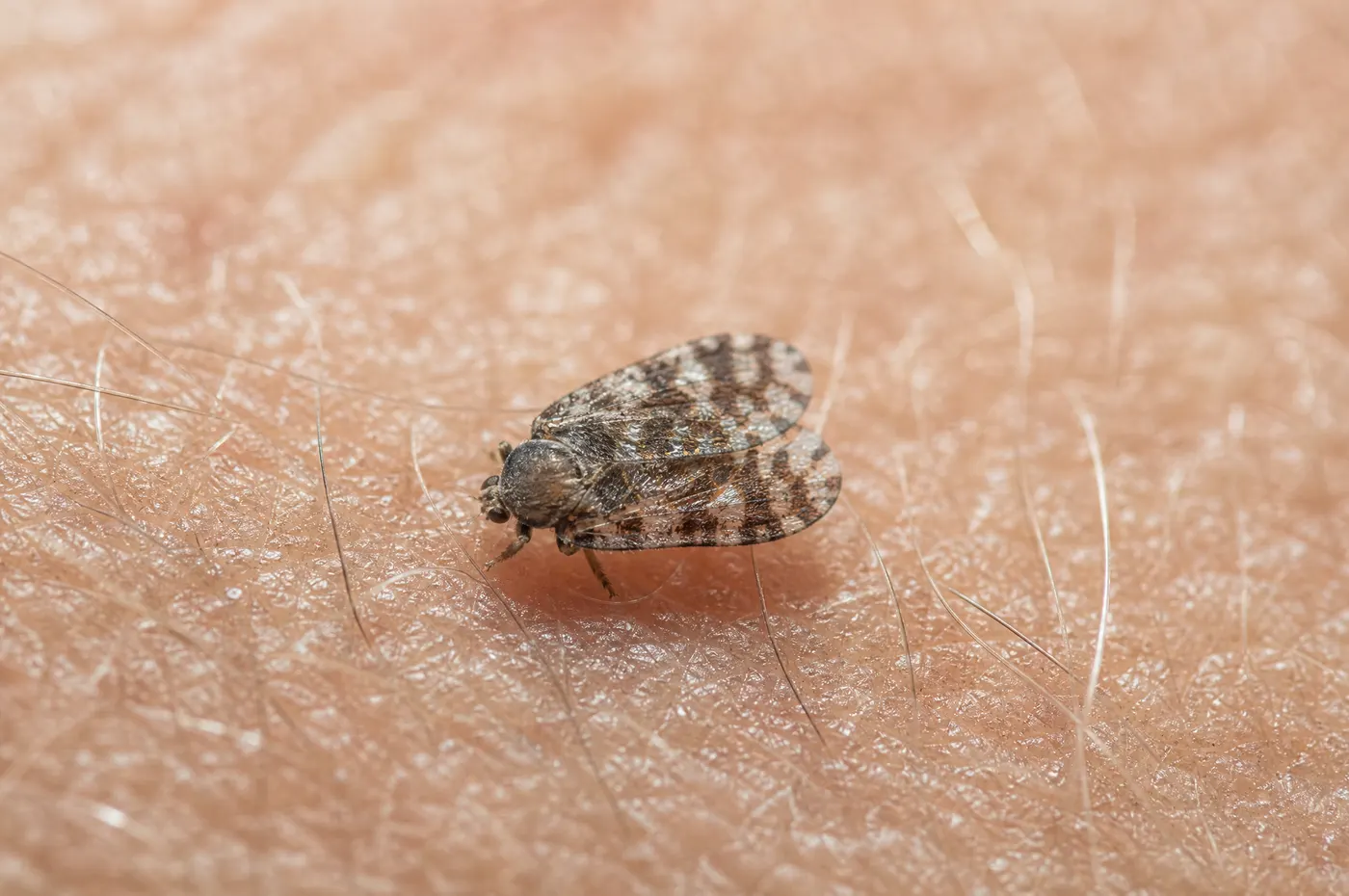
Here is the most useful fact in this article, in the county's own framing: it does not service sand flies, drain flies, no-see-ums and other pests.
That exclusion catches people out, because the things on that list are exactly what a homeowner calls "mosquitoes" when they cannot see what is biting them.
| Mosquito | No-see-um / sand fly | Drain fly | |
|---|---|---|---|
| Size | 3–6mm, visible in flight | 1–3mm, usually felt before seen | 2–5mm, fuzzy, moth-like |
| Does it bite | Yes — itchy welt | Yes — a burning sting out of all proportion to its size | No |
| Standard window screen | Keeps it out | Goes straight through | Irrelevant — it is already inside |
| Where it develops | Standing water and containers | Damp organic muck: saturated soil, wet sand, mangrove edge | Film inside a slow drain or trap |
| When you notice it | Dusk (Culex) or all day (Aedes) | Dawn and dusk, in still air | Any hour, near a sink or shower |
| County treats it | Yes | No | No |
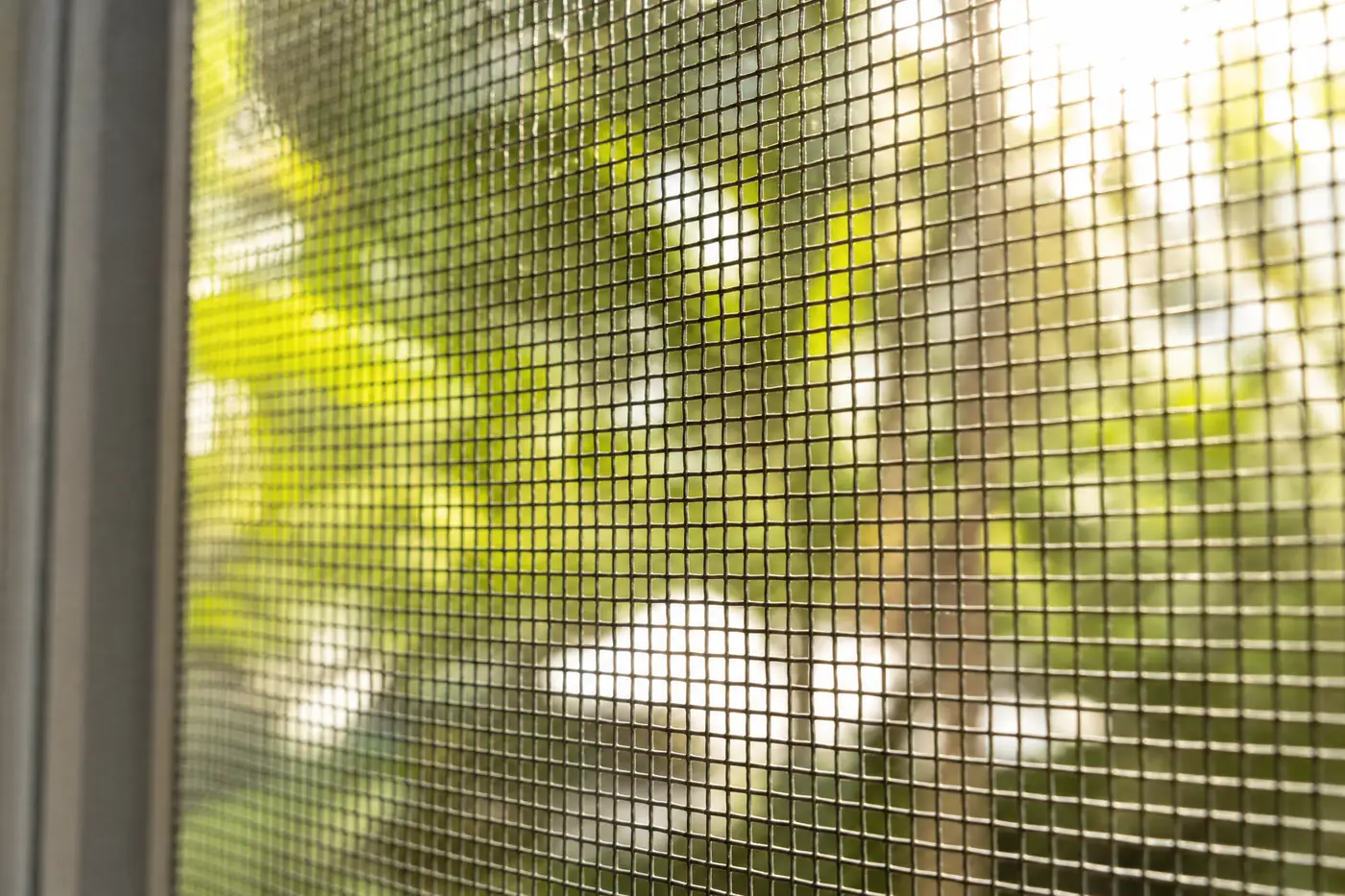
In Florida, no-see-ums and sand flies almost always mean the same animal: biting midges. They breed in wet organic muck rather than open water, and they pass through standard 18x16 window screen mesh. That last detail is the tell. If you are bitten indoors, or on a screened patio with everything shut, you are almost certainly not dealing with a mosquito — and the county will tell you so.
Drain flies do not bite at all. They come out of the film lining a slow-draining sink, shower or floor drain, and get reported as mosquitoes because they are small, dark and indoors. Cleaning the drain ends it; spraying the yard does nothing.
The list also ends open-ended — "and other pests." This is a mosquito program. Anything that is not a mosquito is somebody else's work.
Why the truck hasn't come down your street
Truck spraying does not run a route. It goes out only when surveillance criteria are met — trap counts and disease surveillance — and there is no fixed public schedule to check against.
Residents find this infuriating, and the frustration makes sense, but the policy does not deserve the blame it gets. Spraying on a calendar instead of on data would mean putting material over neighborhoods where the counts do not justify it. Surveillance-driven spraying is the standard of practice, and Broward is following it.
Three things follow:
- A bad week for you is not a trigger for them. Trap counts measure a service area. Your yard can be unusable while the numbers across the surrounding square mile sit well under the threshold.
- A truck may have passed and not been the truck you wanted. The Fort Lauderdale applications ran 10pm to 6am. If you were asleep, you missed the entire event.
- A pass is a knockdown, not a season. Adulticide affects the mosquitoes flying in the airspace it reaches, at the moment it reaches them. It does nothing to the larvae in the bromeliad by your back door, and by the weekend those have emerged.
There is a geometry problem too. The truck works from the street, and a fenced backyard behind a dense hedge is not where street-applied material concentrates.
Where county service ends and yours begins
This is the honest dividing line, and it is not a knock on the county. It is a description of two different jobs.
The county works at neighborhood scale and on public property: surveillance across a service area, larviciding in storm drains and public water, and adulticide over a defined zone when the numbers call for it. That work matters most for the mosquitoes that travel and for the disease risk a public-health program exists to monitor — the right tool for a problem measured in square miles.
Your backyard problem is usually a different animal at a different scale. Aedes aegypti — the daytime biter that dominates urban South Florida — is a container breeder that rarely flies more than about 200 yards in its life. That number is the entire argument. If something is biting your ankles on the patio at 3pm, it developed within roughly two hundred yards of where it bit you, which means on your property or immediately beside it: a bromeliad cup, a plant saucer, the fold in a boat tarp, one clogged gutter section, a wheelbarrow left standing on end.
Nobody from the county is going to lift your plant saucers. That is not a failure of the program. It is a program operating two scales above your plant saucers.
Three pieces of the work sit on the property side of the line:
- Container inspection. Walking the whole property and finding every vessel holding water. The list is always longer than the homeowner expects, and it resets after every rain.
- Resting-site treatment. Adults spend the daylight hours out of the sun: undersides of leaves, dense hedge, under decks, shaded wall surfaces. Treatment goes onto those specific surfaces rather than broadcast across open lawn, because that is where the mosquitoes actually are.
- Biting midges. Excluded by the county by name. If no-see-ums are your actual problem, private service is the only service there is.
The county's half of this is real, free, and worth requesting — a call to 311 costs nothing, and an inspection can find production you would never have looked for. Just be clear what you are asking for: a neighborhood-scale program on public land, on a schedule set by data rather than by your patience. The two hundred yards around your own back door is a separate job, and it is the one that decides whether you can sit outside after five.
Frequently asked questions
Yes. Inspections, standing-water treatment, storm-drain treatment and adulticide truck spraying are county services at no charge to residents. Requests go through the county's online service request form or 311 (954-831-3940 is the TTY line for the hearing impaired).
No. The county's own guidance is that you may only submit a service request for your property. Neighbors have to request their own, which is part of why coverage on a street can look uneven.
Truck spraying runs only when surveillance criteria are met, not on a fixed public schedule. Trap counts and disease surveillance drive it, so a street can go a long stretch without a pass even during a bad season.
No. Broward County Mosquito Control states plainly that it does not service sand flies, no-see-ums, drain flies or other pests. If the thing biting you gets through a window screen, it is almost certainly not something the county will handle.
The county works at the neighborhood scale and on public property. It does not walk your yard for breeding containers, treat the shaded foliage where adults rest, or handle biting midges. Those are property-level jobs.
Still dealing with it?
Mosquito Control across Broward County, FL, backed by a free re-treatment if the knockdown doesn't hold.
Book online in a few minutes and a Broward tech calls you back with your exact price (Mon–Fri 9am–5pm) — before any work starts.
Take your backyard back todayKeep reading
Where Mosquitoes Actually Breed in a South Florida Yard
Not the lake — the plant saucer, the bromeliad and the palm boot. The containers people miss, and why emptying them once doesn't work.
Mosquitoes Biting You in Broad Daylight? That's Aedes aegypti
The dusk-and-dawn advice describes Culex, not the daytime biter that dominates urban South Florida. How to tell them apart and why the source is close.