
Termites · Broward County, FL
Hybrid Termites Confirmed in Broward County: What It Actually Means for Your Home
The short answer
UF/IFAS confirmed hybrid Coptotermes colonies in Broward County in October 2024. The responsible reading is not alarm: hybrids are rare, damage is on par with the parent species, they cannot be identified by eye, and the treatment is the same either way.
In October 2024, researchers working in Fort Lauderdale confirmed something that went national seven months later: termites in Broward County that are the offspring of two different invasive species. The coverage that followed reached for words like "super termite." The finding is real, it is local, and it is genuinely interesting to entomologists — and almost nothing in it changes what a Broward homeowner should think or do. Here is the research, and here is where the headlines ran ahead of it.
What was actually found
The primary source is a UF/IFAS Extension publication, ENY-2137, titled Hybrid Coptotermes Termites: Separating Fact from Fiction. The underlying research comes from Thomas Chouvenc at the UF/IFAS Fort Lauderdale Research and Education Center, was published in Proceedings of the Royal Society B, and was picked up from there by Smithsonian, Phys.org and IFLScience.
Two invasive subterranean termite species are established in South Florida, and they are the parents in question:
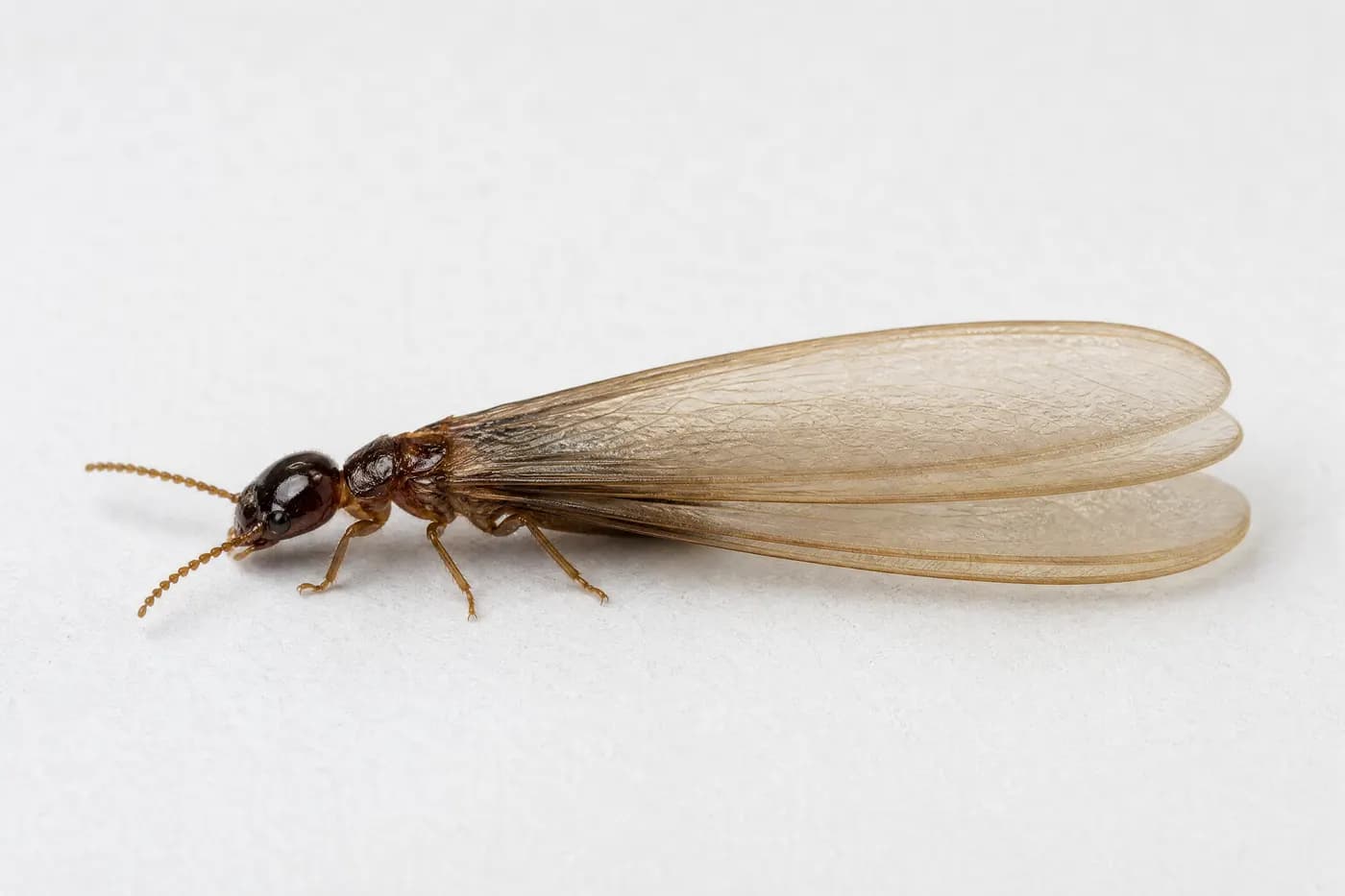
- Coptotermes formosanus, the Formosan subterranean termite. It swarms late April through May, at night, toward lights.
- Coptotermes gestroi, the Asian subterranean termite. It swarms at dusk, starting as early as the first weeks of March.
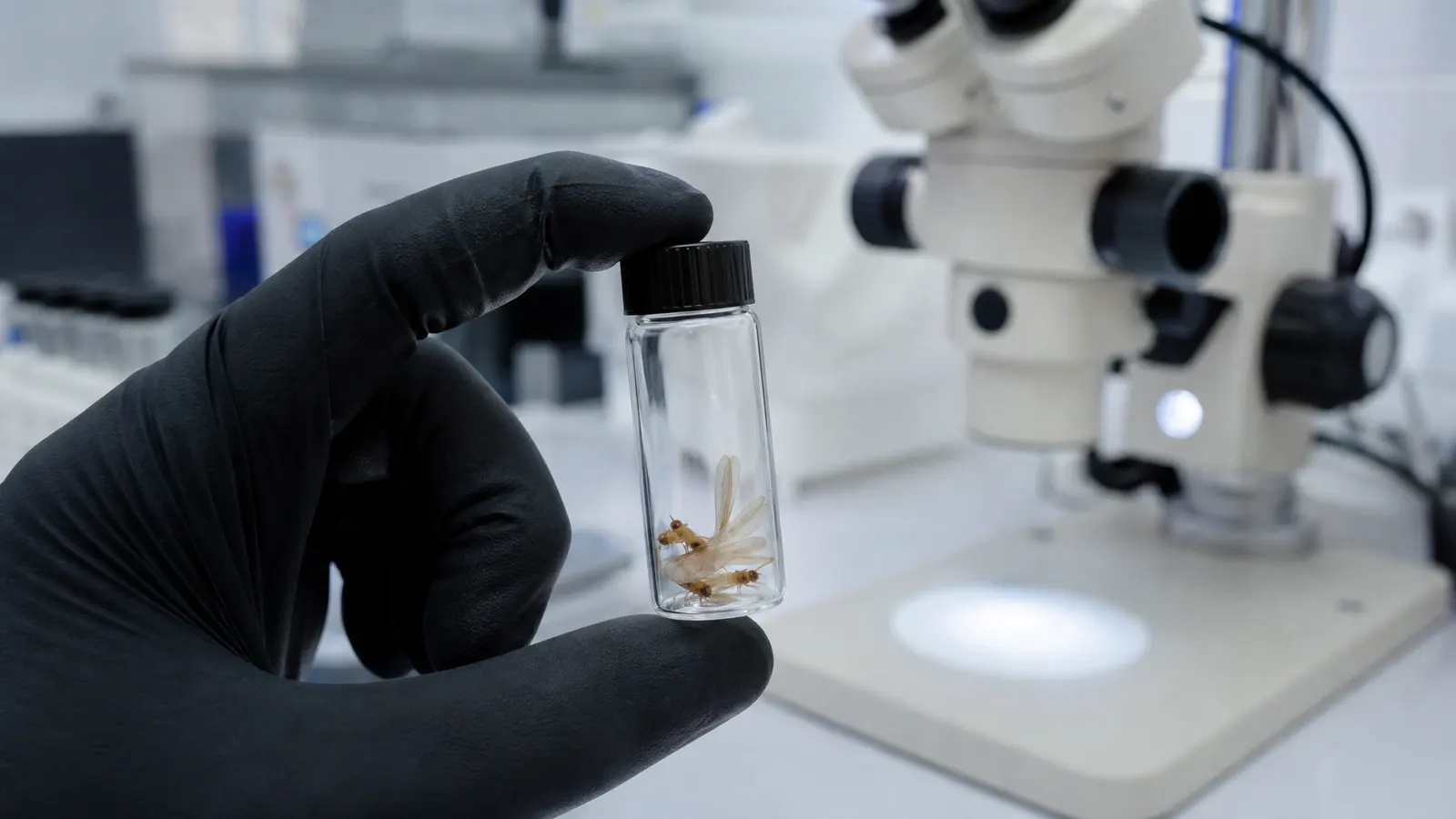
Swarm collections in Fort Lauderdale running since 2021 are what produced the confirmed hybrids. UF/IFAS states it plainly: hybrid field colonies were identified in Broward County in October 2024. Not suspected, not modelled — identified.
Why South Florida and almost nowhere else
A hybrid needs both parents in the same place at the same time of year. UF/IFAS notes that hybrids occur only where the two parent species overlap, which worldwide means Taiwan, Hawaii and Florida.
South Florida is one of the few places where those two flight seasons actually meet. C. gestroi starts at dusk in early March; C. formosanus runs at night into May. The tails of the two seasons overlap here, and that overlap is the whole reason this is a Broward story rather than a national one. Move a few hundred miles north and the second species simply is not there.
How rare are they?
Rare enough that the number is the story. UF/IFAS reports that only 0.1% of alates were hybrid in parts of Broward County. That is roughly one in a thousand swarmers, in the specific areas that were sampled.
Two things follow from that figure, and both cut against the headline.
First, this is uncommon even inside the small part of the world where it is possible at all. A hybrid is not something spreading through Broward; it is something that turns up occasionally in a collection jar when researchers count carefully enough to notice.
Second, a percentage measured in swarmers is not a probability for your house. Alates are the flying, dispersing stage — thousands of them leave a colony and almost none of them establish anything. If subterranean termite activity is found in a Broward structure, the overwhelmingly likely answer remains one of the two parent species, both of which have been here for years.
UF/IFAS is also direct about the taxonomy, and it is worth quoting: it is far too soon to declare them a "new species." What exists right now is a confirmed crossing between two established species, not a third termite with its own name and its own behavior.
Are they more destructive?
This is where the coverage strained hardest, and where the research is most specific. UF/IFAS describes the damage as on par with damage from the two parent species.
The "super termite" framing borrows a real biological idea — that a hybrid can sometimes outperform both of its parents — and applies it to a case where the published work reports parity instead. Parity is the finding. Anything past that is extrapolation.
There is a sharper way to read that parity, and it is not as comforting as it first sounds. The baseline these hybrids match is Coptotermes formosanus and Coptotermes gestroi — the two invasive species that were already the reason subterranean termites get taken seriously in South Florida. Being on par with them is not good news. It is simply not new news. The thing worth paying attention to in Broward was, and still is, Coptotermes generally.
Can you tell by looking?
No. UF/IFAS is unambiguous here: it is not possible to positively identify collected termites as hybrids through visual inspection alone.
That sentence does a lot of work. It means no inspector — ours or anyone else's — can stand in a driveway holding a jar of swarmers and tell you whether they are hybrids. Confirming a hybrid is laboratory work. If someone offers you that answer on the spot, treat it as a sales claim rather than an identification.
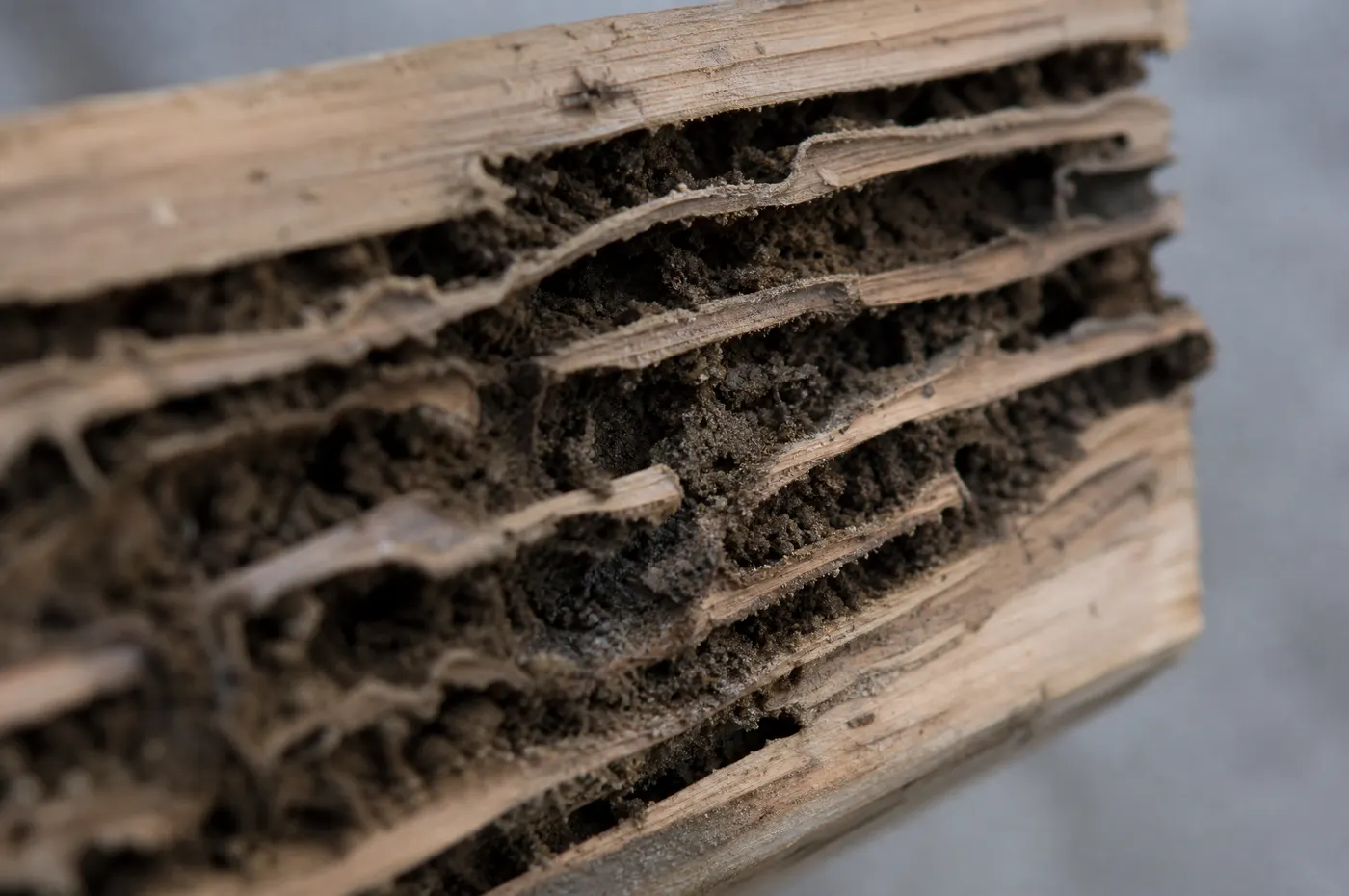
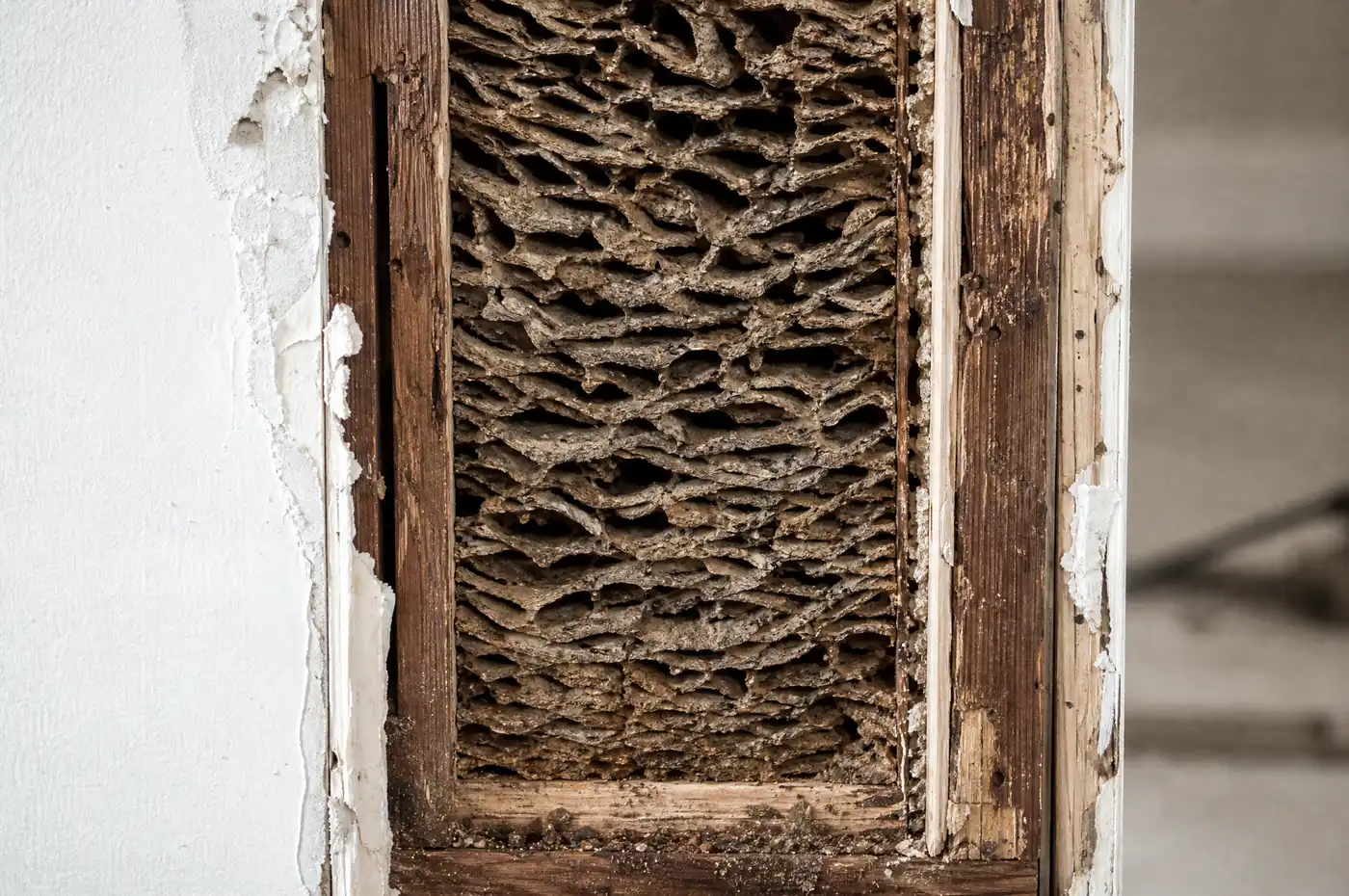
What a field inspection can establish is the part that actually drives decisions: whether activity is subterranean or drywood, where it is, and how far it has spread. Mud tubes on a foundation wall, carton material in a void, galleries packed with soil, damage that follows the grain — those separate a subterranean problem from a drywood one, which is a distinction that changes everything about the response. Hybridity is not on that list, because it cannot be.
If you want a specimen identified, there is a public route for it. The UF/IFAS Termite Identification Service at the Fort Lauderdale Research and Education Center accepts samples and identifies them free of charge. It is a university extension service, not something we or any other pest control company runs, and it is a good use of a jar of swarmers you collected off a windowsill.
Does it change the treatment?
No, and this is the most practically useful line in the entire UF/IFAS publication: treatment is the same whether the termite colony is C. formosanus, C. gestroi, or a hybrid.
What does change a plan is what always changed it. Subterranean and drywood termites need opposite approaches, and a treatment aimed at one does nothing to the other. How far activity has spread through a structure narrows the options further, and so does how the building is built and what parts of it can be reached. Method categories in this field are chosen against those variables — species group, location, extent — and the hybrid question sits outside that decision tree entirely.
So if you read the headline and wondered whether there is now some different treatment you are supposed to ask for: there is not. The decision was never going to turn on hybridity, and it still does not.
What this does mean for Broward
There is a real reason to pay attention to Coptotermes in South Florida, and it predates the hybrid story by eight years.
In June 2016, Chouvenc, Scheffrahn and Su published a modelling study in Florida Entomologist built on termite records from 1990 to 2015. Projecting the observed spread of the two invasive species forward, they estimated that by 2040, half the structures in South Florida will be at risk of infestation by them.
Read that one precisely, because it is repeated wrongly more often than not. It is a projection from a model, not a measurement of anything that has happened. And "at risk" describes exposure — structures sitting inside the projected range of established populations — not structures that will have termites. The study is not saying half of South Florida homes will be infested by 2040. It is saying these two species keep expanding their range, and the share of the built environment inside that range is expected to keep growing with it.
That expansion is the actual Broward story. The hybrids are a consequence of it: two species that evolved on opposite sides of the world ended up sharing a county and part of a calendar. The overlap that produced them is the same overlap that makes March through May the months people here notice swarmers at all: C. gestroi at dusk from early March, C. formosanus at night from late April into May, per UF/IFAS.
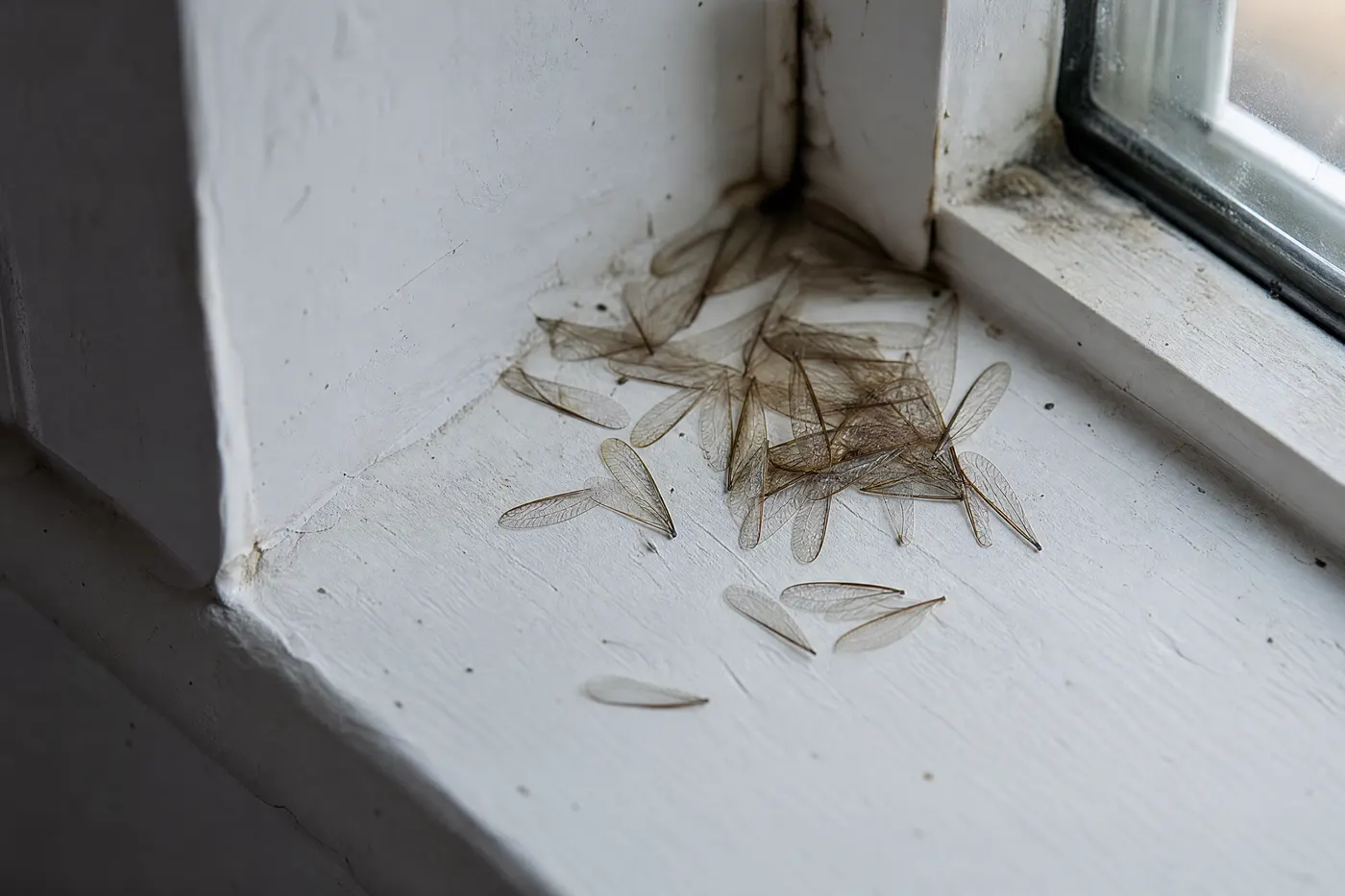
Worth keeping in proportion even then: swarmers indoors do not by themselves mean there is activity in your structure. Alates are drawn to light and routinely fly in from outside. What confirms anything is an inspection — discarded wings, frass, mud tubes, damage.
The hybrid finding is a laboratory question, and a laboratory is handling it. The questions that decide what happens to a house in Broward have not moved an inch: which group of termite is present, how far it has spread, and how long it has been since anyone actually looked at the structure. None of those got harder to answer the day the headline ran.
Frequently asked questions
Yes. UF/IFAS identified hybrid Coptotermes field colonies in Broward County in October 2024. They occur only where both parent species overlap — worldwide that means Taiwan, Hawaii and Florida, and in the continental US only South Florida.
Rare. UF/IFAS reports that only about 0.1% of alates in parts of Broward County were hybrid. They are a scientifically interesting finding, not a widespread new threat.
There is no evidence of that. UF/IFAS describes the damage as on par with damage from the two parent species, and cautions that it is far too soon to treat them as a distinct species.
Not by eye. UF/IFAS states that hybrids cannot be positively identified through visual inspection alone. Confirming one requires laboratory work, which is why the field question stays practical: which genus, and how far has it spread.
No. UF/IFAS is explicit that treatment is the same whether the colony is C. formosanus, C. gestroi, or a hybrid. What determines your plan is the species group and the extent of activity, not the hybrid question.
Still dealing with it?
Termite Control across Broward County, FL.
Book online in a few minutes and a Broward tech calls you back with your exact price (Mon–Fri 9am–5pm) — before any work starts.
Book a termite inspectionKeep reading
Termite Swarm Season in South Florida: A Month-by-Month Guide by Species
Broward's swarm season starts weeks before the rest of Florida. Which species flies when, how to tell a swarmer from a flying ant, and what it means.
What Florida Law Requires Your Termite Contract to Say
Page one has to name which termite you're covered for, and any excluded invasive species has to be named too. What to read before you sign.